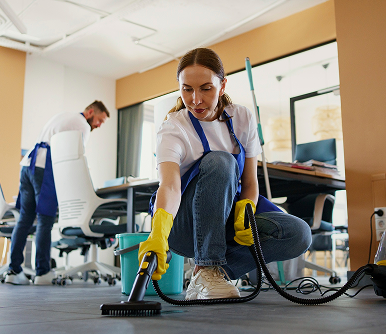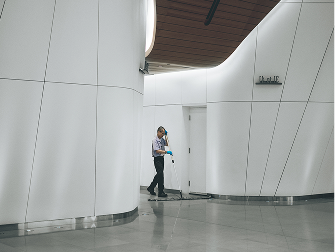

Walk into any commercial facility that looks consistently clean and you will rarely find household tools behind the scenes. What you will see instead is structured systems, industrial-grade machines, and trained staff using specialized processes.
This is where the difference between Professional Cleaning Equipment and basic household tools becomes clear.
For facility managers and business owners across Canada and the US, the decision is not simply about cleaning. It is about efficiency, safety, compliance, and long-term cost control. Many organizations underestimate how much equipment impacts cleaning outcomes until issues start appearing such as recurring stains, odor buildup, or failed inspections.
This article explains, from field experience, how professional equipment differs from household tools, how cleaning operations are actually executed, and what decisions matter when selecting Professional Cleaning Services in Canada.
Understanding the Core Difference
Household Cleaning Tools
Household tools are designed for low-frequency, low-load environments such as:
– Homes
– Small apartments
– Limited foot traffic areas
Typical examples:
– Domestic vacuum cleaners
– Basic mops and buckets
– Spray bottles and cloths
These tools work well for light cleaning but are not built for:
– Continuous use
– Large surface areas
– Heavy soil loads
Professional Cleaning Equipment
Professional tools are engineered for:
– High-traffic environments
– Continuous operation
– Standardized cleaning results
Examples include:
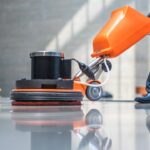
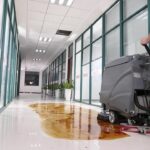
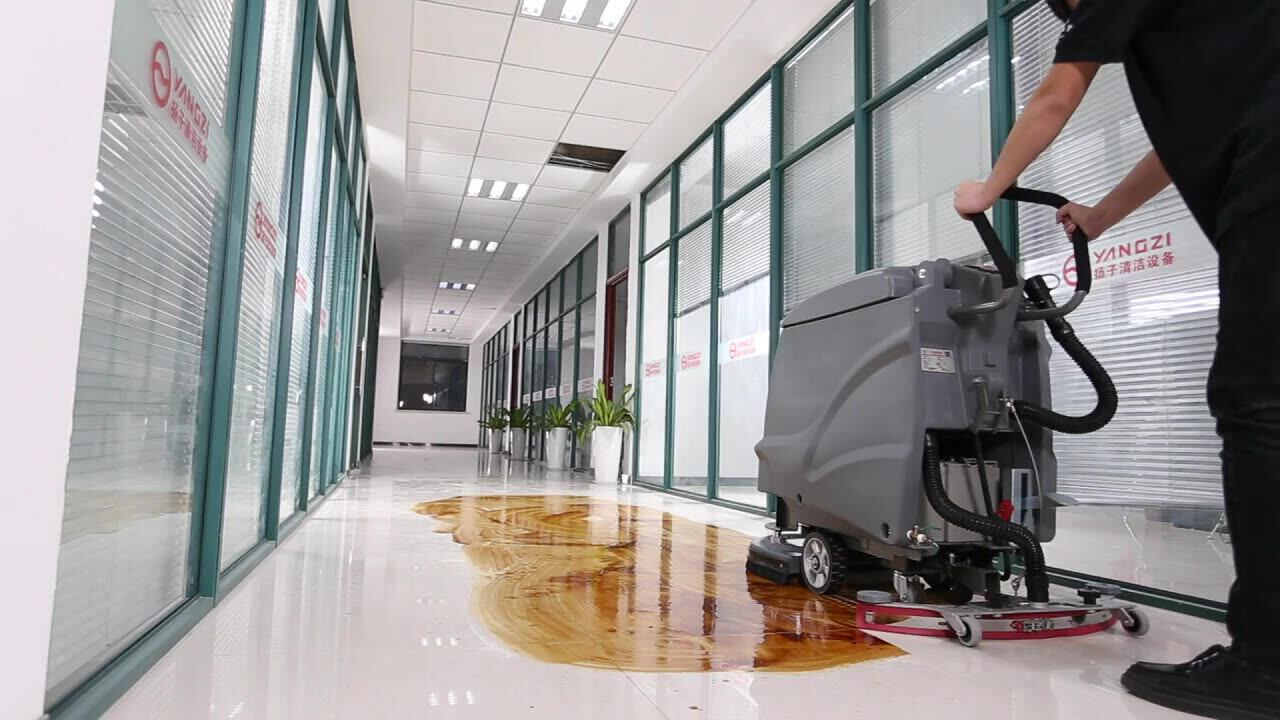
– Auto scrubbers
– HEPA-filter industrial vacuums
– Ride-on floor machines
– Steam cleaning systems
– Electrostatic sprayers
The difference is not just scale. It is about consistency, hygiene control, and labor efficiency.
How Professional Cleaning Services Are Delivered
1. Site Assessment and Scope Definition
Every professional cleaning contract starts with a walkthrough.
Key factors evaluated:
– Floor type and square footage
– Traffic intensity
– Sensitive areas such as healthcare or food zones
– Existing cleanliness condition
A mistake at this stage leads to incorrect equipment selection.
Example from field:
A retail store used household mops for a 12,000 sq ft tiled floor. Within months, grout lines turned black due to ineffective soil removal. The issue was not frequency but equipment limitation.
2. Equipment Selection Based on Environment
Hard Floors
– Auto scrubbers for large areas
– Single-disc machines for detailed work
Carpets
– Commercial-grade extractors
– Dual-motor vacuum systems
High-Touch Areas
– Electrostatic disinfecting systems
Household tools cannot replicate:
– Controlled water flow
– Mechanical agitation
– Suction recovery
3. Chemical Selection and Dilution Control
Professional cleaning depends heavily on correct chemical usage.
Key considerations:
– Surface compatibility
– Soil type
– Required dwell time
Common mistake:
Using household multipurpose cleaners on commercial floors leads to residue buildup, making surfaces sticky and attracting more dirt.
Professional systems use:
– Measured dilution systems
– Color-coded chemicals
– Safety data sheets for compliance
4. Cleaning Execution Workflow
A professional cleaning workflow is structured:
1. Dry soil removal
2. Spot treatment
3. Wet cleaning using machines
4. Disinfection with dwell time
5. Final inspection
Household cleaning skips steps due to tool limitations.
5. Staffing and Productivity
Professional equipment reduces labour time significantly.
Example:
– Manual mopping: 250 to 300 sq ft per hour
– Auto scrubber: 8,000 to 15,000 sq ft per hour
This directly impacts cost.
6. Quality Control and Inspection
Professional cleaning includes:
– Checklists
– Supervisor inspections
– Client feedback loops
Without proper equipment, consistent quality is difficult to achieve.
Why Equipment Choice Matters in Real Scenarios
Scenario 1: Office Carpet Cleaning Failure
A company used residential vacuums in a high-traffic office.
Result:
– Dust accumulation in carpet fibers
– Increased allergy complaints
Switching to HEPA commercial vacuums reduced airborne particles significantly.
Scenario 2: Incorrect Chemical Use
A janitorial team used strong degreasers on polished floors.
Result:
– Surface damage
– Loss of shine
– Increased maintenance cost
Scenario 3: Ignoring Dwell Time
Disinfectants were wiped immediately after application.
Result:
– Ineffective sanitization
– Failed hygiene audits
Professional Equipment vs Household Tools Comparison
Efficiency
– Professional: High speed, large coverage
– Household: Slow, manual effort
Durability
– Professional: Built for continuous use
– Household: Short lifecycle under heavy use
Cost Impact
– Professional: Higher upfront cost, lower long-term cost
– Household: Lower upfront cost, higher maintenance cost
Cleaning Quality
– Professional: Consistent and measurable
– Household: Variable results

Trade-Offs and Operational Decisions
Cost vs Quality
Lower-cost tools reduce initial investment but increase:
– Labor hours
– Re-cleaning frequency
– Client dissatisfaction
In-House vs Outsourced Cleaning
In-House
– Control over staff
– Requires equipment investment
Outsourced
– Access to advanced equipment
– Reduced operational burden
Most businesses choose outsourced Professional Cleaning Services in Canada for scalability.
Manual vs Machine-Assisted Cleaning
Manual cleaning still has a role in:
– Tight spaces
– Detail work
But relying entirely on manual methods leads to inefficiency.
Small Contracts vs Multi-Location Operations
Small sites may use limited equipment.
Large facilities require:
– Standardized machines
– Centralized procurement
– Consistent processes
Industry Trends and Insights
– ISSA reports increasing adoption of automated cleaning systems
– Demand for eco-friendly cleaning equipment is rising
– Labor shortages are pushing automation
These trends show why equipment investment is critical.
How Decision Makers Evaluate Cleaning Providers
Experienced managers look for:
– Equipment inventory
– Maintenance schedules
– Staff training programs
– Safety compliance records
A provider using household tools is often a red flag.
FAQs
1. Why is professional cleaning equipment more effective than household tools?
Professional equipment is designed for high-frequency and high-load environments. It uses controlled pressure, suction, and chemical distribution to remove dirt effectively. Household tools lack this precision and consistency. Over time, this difference becomes visible in surface wear and cleanliness levels.
2. Can household tools be used in small commercial spaces?
They can be used in very small offices, but limitations appear quickly. As foot traffic increases, household tools fail to maintain hygiene standards. This leads to higher long-term costs due to repeated cleaning and faster surface degradation.
3. How does equipment impact cleaning costs?
While professional equipment has higher upfront costs, it reduces labor hours significantly. Faster cleaning times and better results lower overall operational expenses. Household tools increase labor dependency and reduce efficiency.
4. What happens if incorrect cleaning chemicals are used?
Using the wrong chemicals can damage surfaces, create safety hazards, and reduce cleaning effectiveness. It can also void warranties on flooring materials. Proper chemical selection is a critical part of professional cleaning operations.
5. Are professional cleaning services worth the investment?
Yes, especially for businesses with consistent foot traffic. Professional services provide better hygiene, reduce maintenance costs, and improve workplace appearance. They also ensure compliance with health and safety standards.
6. How often should professional equipment be used?
Frequency depends on the facility type. High-traffic areas may require daily machine cleaning, while low-traffic spaces may need weekly maintenance. A proper schedule is defined during site assessment.
7. What should I check before hiring a cleaning provider?
Check their equipment list, staff training, chemical handling procedures, and quality control systems. Ask for site-specific cleaning plans. Reliable providers will explain their process in detail rather than giving generic answers.
The difference between Professional Cleaning Equipment and household tools is not just technical. It directly impacts hygiene, cost, and operational efficiency.
For businesses in Canada and the US, relying on basic tools may seem economical initially, but it often leads to long-term inefficiencies and hidden costs. Professional systems, when combined with trained staff and structured workflows, deliver consistent and measurable results.
If you are evaluating cleaning solutions, focus on process, equipment, and execution rather than just pricing. That is where real value is created.