
Rental properties are long-term financial assets, but their value depends heavily on ongoing maintenance. One of the most overlooked factors in protecting that investment is Consistent Cleaning Services.
From experience in both residential and commercial environments, cleaning is not just about appearance. It directly affects asset lifespan, tenant satisfaction, compliance, and operational costs. Many property owners only realize this after facing repeated complaints, damage repairs, or failed inspections.
In competitive rental markets across Canada and the US, property managers are increasingly relying on structured Cleaning Services in Canada and the US to maintain property value and avoid unnecessary expenses.
This article breaks down how consistent cleaning works at an operational level and how it protects rental investments in real-world scenarios.
Why Cleaning Frequency Matters More Than Most Owners Realize
Surface-Level Cleaning vs Preventive Maintenance
Cleaning is often seen as a reactive task. In reality, it is a preventive maintenance strategy.
Without consistent cleaning:
– Dirt embeds into flooring materials
– Moisture leads to mold growth
– High-touch areas accumulate bacteria
– HVAC efficiency decreases due to dust buildup
A one-time deep clean cannot reverse long-term neglect.
Industry Insight
According to industry data from ISSA and facility management associations:
– Regular cleaning can extend flooring lifespan by up to 30 to 50 percent
– Preventive maintenance reduces major repair costs by up to 20 percent
– Tenant retention improves significantly in well-maintained properties
These are not theoretical benefits. They are observed outcomes in managed properties.
How Professional Cleaning Services Are Delivered
1. Site Assessment and Cleaning Scope Definition
Every contract starts with a walkthrough.
Key evaluation points:
– Property type such as apartment, office, or mixed-use
– Floor materials and surface finishes
– Tenant usage patterns
– Existing damage or hygiene issues
Example from field:
A multi-unit rental property had recurring complaints about odors. The issue was traced to neglected carpet cleaning cycles. Once a structured schedule was introduced, complaints dropped within two months.
2. Selecting the Right Cleaning Chemicals and Disinfectants
Chemical selection is not generic.
Different surfaces require:
– Neutral cleaners for floors
– Degreasers for kitchens
– Disinfectants for bathrooms and high-touch areas
What goes wrong:
– Incorrect chemicals damage finishes
– Overuse leaves residue
– Underuse fails to sanitize
Dilution systems are critical in maintaining consistency.
3. Equipment Selection and Usage
Professional cleaning uses specialized equipment:
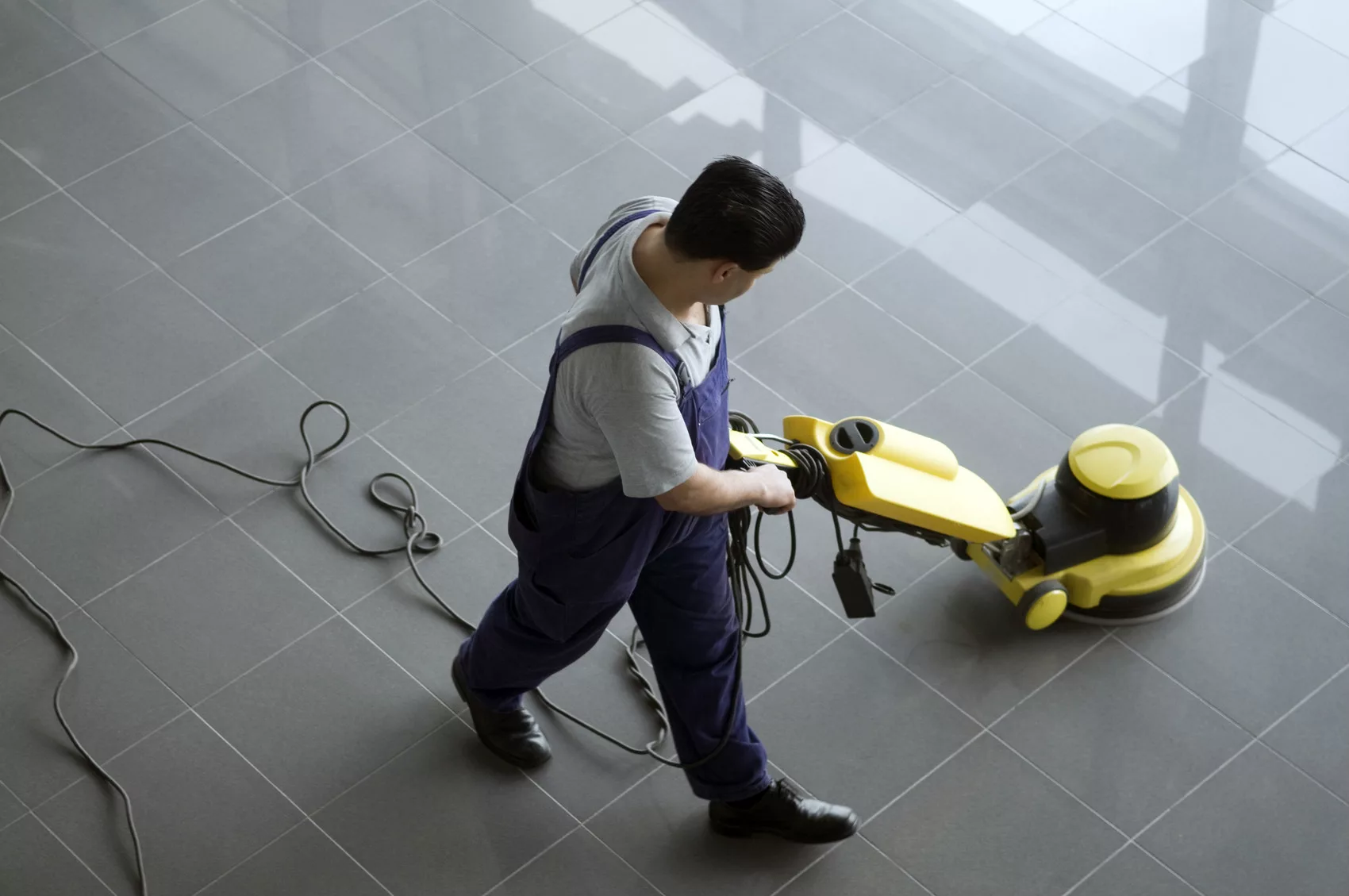
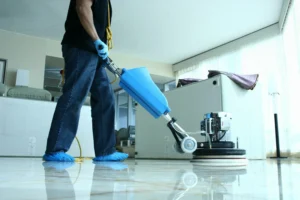
– Auto scrubbers for large floor areas
– HEPA vacuums for dust control
– Steam cleaners for sanitation
– Carpet extractors for deep cleaning
Household tools cannot handle:
– High traffic wear
– Large surface areas
– Deep embedded dirt
4. Cleaning Procedures by Area
Residential Units
– Kitchen degreasing
– Bathroom disinfection
– Dust removal from vents and surfaces
Common Areas
– Lobby floor maintenance
– Elevator sanitation
– Hallway vacuuming
Exterior Areas
– Entryways
– Parking areas
– Waste disposal zones
Each area requires a different approach.
5. Scheduling and Workflow Planning
Consistency depends on structured scheduling.
Typical schedules:
– Daily cleaning for high-traffic areas
– Weekly deep cleaning for units
– Monthly maintenance for specialized tasks
Missed schedules lead to rapid deterioration.
6. Quality Assurance and Inspections
Professional cleaning includes:
– Supervisor inspections
– Checklists
– Tenant feedback tracking
Without quality control, standards drop quickly.
What Happens When Cleaning Is Inconsistent
Scenario 1: Flooring Damage
A rental building reduced cleaning frequency to cut costs.
Result:
– Dirt accumulation scratched floor surfaces
– Replacement costs increased significantly
Scenario 2: Mold Growth
Bathrooms were not cleaned regularly.
Result:
– Mold developed in grout lines
– Required costly remediation
Scenario 3: Tenant Complaints
Common areas were cleaned irregularly.
Result:
– Negative reviews
– Increased tenant turnover
Operational Challenges in Real Environments
Staffing Shortages
Cleaning schedules are often disrupted due to:
– Absenteeism
– High turnover
– Inadequate training
Solution:
– Cross-training staff
– Backup scheduling systems
Tight Cleaning Windows
Rental properties often require:
– Cleaning between tenant move-outs
– Overnight cleaning in commercial spaces
This demands efficient workflows.
Equipment Limitations
Using outdated or insufficient equipment leads to:
– Longer cleaning times
– Poor results
– Higher labor costs
Trade-Offs in Cleaning Decisions
Cost vs Cleaning Quality
Reducing cleaning frequency may save short-term costs but leads to:
– Higher repair expenses
– Faster asset degradation
In-House vs Outsourced Cleaning
In-House
– Greater control
– Requires management and equipment investment
Outsourced
– Access to trained staff
– Scalable services
Most property managers prefer outsourcing for consistency.
Manual vs Machine Cleaning
Manual cleaning works for small areas.
Machine-assisted cleaning is necessary for:
– Efficiency
– Consistency
– Large properties
Small Properties vs Multi-Location Portfolios
Larger portfolios require:
– Standardized processes
– Centralized management
– Reliable service providers
Decision-Making Logic for Property Managers
When selecting cleaning providers, experienced managers evaluate:
– Cleaning schedules and flexibility
– Equipment capabilities
– Staff training programs
– Quality control processes
A provider offering vague plans usually indicates operational gaps.
Practical Tips for Property Owners
1. Establish a Cleaning Schedule
Do not rely on ad hoc cleaning.
Create:
– Daily tasks
– Weekly routines
– Monthly maintenance plans
2. Use Professional Equipment
Invest in or outsource services that use:
– Industrial vacuums
– Floor machines
– Proper disinfecting systems
3. Monitor Cleaning Quality
Conduct:
– Regular inspections
– Tenant surveys
– Performance reviews
4. Focus on High-Risk Areas
Prioritize:
– Bathrooms
– Kitchens
– Entry points
These areas deteriorate faster.
FAQs
1. How often should rental properties be professionally cleaned?
Cleaning frequency depends on usage and property type. High-traffic areas require daily attention, while residential units may need weekly or bi-weekly cleaning. Regular schedules prevent long-term damage and reduce repair costs significantly.
2. Can inconsistent cleaning really impact property value?
Yes, inconsistent cleaning leads to surface wear, odor buildup, and structural issues such as mold. These problems reduce tenant satisfaction and increase maintenance expenses, ultimately lowering property value.
3. Is outsourcing cleaning better than hiring in-house staff?
Outsourcing provides access to trained professionals and advanced equipment. It also reduces management burden. In-house teams require training, supervision, and equipment investment, which can be challenging to maintain consistently.
4. What are the biggest risks of poor cleaning practices?
The biggest risks include health hazards, surface damage, and regulatory non-compliance. Poor cleaning also leads to negative tenant experiences and higher turnover rates, which directly impact revenue.
5. How do cleaning chemicals affect property maintenance?
Using incorrect chemicals can damage surfaces, discolor materials, and create safety risks. Proper chemical selection ensures effective cleaning without harming property assets.
6. What should I look for in a cleaning service provider?
Look for structured processes, trained staff, proper equipment, and clear quality control systems. A reliable provider will offer detailed plans tailored to your property.
7. Does professional cleaning improve tenant retention?
Yes, clean environments improve tenant satisfaction and reduce complaints. Tenants are more likely to renew leases in well-maintained properties, which stabilizes rental income.
Consistent cleaning is not an optional expense. It is a core part of protecting your rental investment.
From flooring durability to tenant satisfaction, every aspect of property performance is influenced by cleaning quality and frequency. Property owners who rely on structured Consistent Cleaning Services see measurable benefits in reduced costs, improved asset lifespan, and stronger tenant relationships.
If you are managing rental properties in Canada or the US, now is the time to evaluate your cleaning strategy. The right approach will not only maintain your property but also enhance its long-term value.