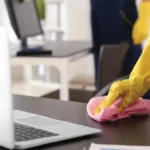
Professional cleaning today is not simply about mops, buckets, and wiping surfaces. In commercial environments such as offices, healthcare facilities, warehouses, and multi-tenant buildings, cleaning is a structured operational discipline. Every trained cleaner working inside a commercial facility follows defined procedures, safety rules, and quality standards.
Facility managers and procurement teams across Canada and the United States increasingly look for Professional Cleaners in Canada who have documented training, safety certifications, and operational oversight. The expectation is not only visible cleanliness but also sanitation compliance, reduced cross-contamination risk, and predictable service quality.
According to industry data from Statista and the International Sanitary Supply Association (ISSA), the commercial cleaning industry in North America exceeds $90 billion annually, with professional training programs becoming a core requirement for contractors competing for institutional cleaning contracts.
This article explains in detail how Certified Professional Cleaners are trained, supervised, and certified. It also explains what facility managers should expect when evaluating a professional cleaning provider.
Understanding the Professional Cleaning Workforce
Why Training Matters in Modern Cleaning Operations
Professional cleaning environments are complex operational spaces. A cleaner working inside a commercial office tower, hospital clinic, or manufacturing facility must handle:
-
chemical disinfectants
-
floor machines
-
hazardous waste
-
infection control procedures
-
building safety rules
-
equipment operation
Without training, mistakes are not just cosmetic problems. They can lead to:
-
damaged flooring
-
chemical exposure
-
failed health inspections
-
cross-contamination
-
workplace injuries
Professional cleaning companies therefore invest heavily in training programs that transform entry-level staff into Certified Professional Cleaners capable of working safely and efficiently in commercial facilities.
The Training Path of Professional Cleaners in Canada
Most commercial cleaning providers follow a structured onboarding process before new hires are allowed to work independently.
Step 1: Initial Orientation and Workplace Safety
Every cleaner entering the industry begins with basic orientation. This stage typically includes:
-
Workplace safety training
-
Introduction to cleaning chemicals
-
PPE usage
-
Facility security protocols
-
Customer interaction standards
In Canada, workplace safety regulations are governed by provincial occupational safety legislation. For example:
-
Ontario follows OHSA (Occupational Health and Safety Act)
-
British Columbia follows WorkSafeBC guidelines
-
Alberta follows OHS Code standards
Cleaners must understand workplace hazards such as wet floors, chemical exposure, electrical equipment, and confined spaces.
A trained cleaner should be able to identify hazards and report them immediately. This reduces liability for both the cleaning contractor and the facility owner.
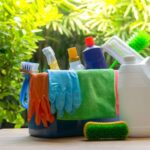
Step 2: Chemical Handling and Dilution Training
Cleaning chemicals are one of the most misunderstood elements of janitorial work.
Professional cleaners are trained to handle:
-
neutral cleaners
-
disinfectants
-
degreasers
-
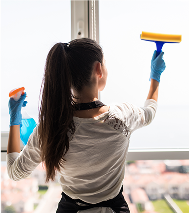
glass cleaners
-
floor finish removers
-
restroom sanitation chemicals
Why dilution ratios matter
Most commercial chemicals are concentrates. They must be diluted properly using a chemical dilution system or measuring equipment.
Improper dilution can cause several operational problems:
Too strong
-
surface damage
-
chemical residue
-
increased costs
Too weak
-
ineffective cleaning
-
failed sanitation protocols
-
bacterial survival
Certified training programs teach cleaners to follow manufacturer dilution charts and dwell time instructions.
Dwell time is the amount of time disinfectant must remain on a surface to kill pathogens.
For example:
-
Many disinfectants require 5 to 10 minutes of dwell time
-
Wiping surfaces too early reduces effectiveness
Professional cleaners are trained not to rush this step.
Equipment Training in Professional Cleaning
Modern commercial cleaning relies heavily on specialized machines.
A trained cleaner must know how to operate and maintain the following equipment.
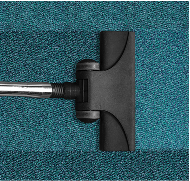
HEPA Vacuum Systems
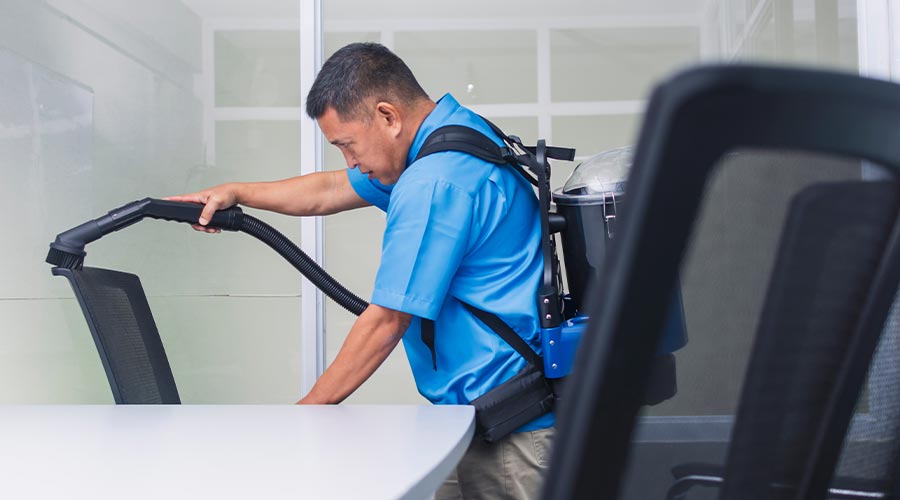
High Efficiency Particulate Air vacuums are commonly used in offices and healthcare facilities.
They capture:
-
fine dust
-
allergens
-
airborne particles
Improper vacuuming techniques can release particles back into the air. Training ensures correct use and filter maintenance.
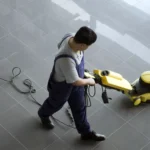
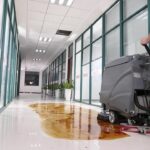
Auto Scrubbers for Large Floor Areas
In warehouses, retail stores, and airports, manual mopping is inefficient.
Auto scrubbers are used to clean large floor areas quickly.
Training includes:
-
machine operation
-
pad selection
-
water recovery systems
-
battery maintenance
An inexperienced operator can damage floors or leave slippery residues.
Floor Burnishers and Polishers
These machines restore shine to finished floors.
Incorrect pad pressure or speed can strip protective coatings and shorten floor lifespan.
Professional cleaners are trained to match:
-
machine speed
-
pad type
-
floor material
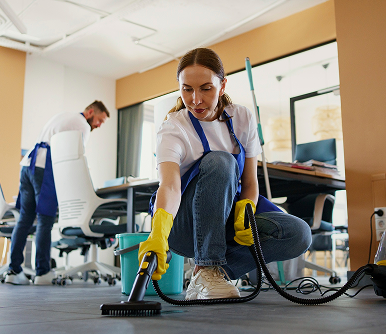
Steam Cleaning Systems
Steam cleaning is used in kitchens, healthcare environments, and high-sanitation areas.
It removes grease and bacteria without harsh chemicals.
Training focuses on temperature control and surface compatibility.
Cleaning Procedures for Different Surfaces
Every facility contains multiple surface types. Each requires different cleaning methods.
Hard Floor Surfaces
Examples include:
-
vinyl composite tile
-
ceramic tile
-
polished concrete
-
epoxy floors
Typical procedures include:
-
dry debris removal
-
wet mopping or machine scrubbing
-
spot cleaning
-
periodic deep scrubbing
-
floor finish maintenance
Improper cleaning chemicals can strip protective coatings or discolor flooring.
Carpet and Fabric Surfaces
Carpets require specialized cleaning methods.
These include:
-
vacuum extraction
-
low moisture cleaning
-
hot water extraction
-
encapsulation cleaning
Professional cleaners are trained to identify carpet fibres and avoid over-wetting, which can cause mould growth.
Restrooms and High Sanitation Areas
Restrooms are one of the most sensitive cleaning environments.
Procedures typically follow a strict order to prevent contamination.
Typical sequence:
-
apply disinfectant to toilets and urinals
-
clean sinks and counters
-
wipe partitions and walls
-
mop floors last
Color coded cleaning tools are used to prevent cross contamination between restroom and office areas.
Cross Contamination Control
Professional cleaners follow strict contamination control methods.
A common system used is color coded microfiber cloths.
Example system:
-
Red cloths for restrooms
-
Blue cloths for general surfaces
-
Yellow cloths for glass
-
Green cloths for kitchen areas
Using the wrong cloth in the wrong area can spread bacteria.
Training programs reinforce these procedures daily.
Scheduling and Workforce Planning
Cleaning operations must fit within building schedules.
Professional cleaning companies develop structured service schedules.
Typical cleaning frequency includes:
Daily
-
trash removal
-
restroom sanitation
-
surface cleaning
Weekly
-
floor scrubbing
-
dusting high surfaces
Monthly
-
carpet cleaning
-
floor polishing
Facility managers working with Professional Cleaners in Canada often request service plans that match building traffic patterns.
High traffic areas require more frequent cleaning.
Quality Control and Inspection Systems
Professional cleaning services are not complete without inspection.
Quality assurance systems often include:
-
digital inspection apps
-
supervisor walkthroughs
-
performance checklists
-
client feedback reports
Supervisors inspect:
-
restrooms
-
floors
-
high touch surfaces
-
waste disposal areas
If problems are found, corrective cleaning is scheduled immediately.
Certification Programs for Professional Cleaners
Several respected industry organizations provide certification programs.
ISSA Cleaning Management Institute (CMI)
One of the most recognized certification bodies in North America.
Programs include:
-
Certified Custodial Technician
-
Certified Custodial Supervisor
-
Advanced cleaning science courses
These certifications help cleaners understand sanitation science and operational standards.
Workplace Hazardous Materials Information System (WHMIS)
WHMIS certification is mandatory in Canada for workers handling chemicals.
Training covers:
-
chemical hazard labels
-
safety data sheets
-
emergency response procedures
Every cleaner handling chemicals must complete WHMIS training.
Bloodborne Pathogen Training
Certain environments require training on exposure risks from bodily fluids.
Healthcare and educational facilities often require this certification.
Real Operational Challenges in Cleaning Services
Even trained cleaning teams face operational problems.
Common issues include:
Staffing shortages
Cleaning is physically demanding work. Turnover can be high.
Good companies cross train staff so service can continue during absences.
Tight cleaning windows
Office cleaning often occurs overnight.
Teams must clean entire floors within limited hours.
This requires precise workflow planning.
Client expectations
Different clients define cleanliness differently.
Some expect hospital level sanitation in office environments.
Good cleaning managers align expectations early in the contract.
In House Cleaning vs Outsourced Cleaning
Facility managers must choose between internal janitorial teams and outsourcing.
In house cleaning advantages
-
direct control
-
dedicated staff
Outsourced cleaning advantages
-
trained workforce
-
equipment provided
-
lower management burden
Many companies choose outsourced Professional Cleaners in Canada because they provide scalable staffing and professional supervision.
How Procurement Teams Evaluate Cleaning Vendors
Procurement teams often evaluate cleaning providers using several criteria.
Training documentation
Proof of staff training and certification.
Safety compliance
WHMIS certification and workplace safety policies.
Equipment capability
Access to modern cleaning machines.
Quality inspection systems
Clear reporting and accountability.
Staffing capacity
Ability to scale for large facilities.
Professional vendors typically document all these areas during the RFQ process.
Frequently Asked Questions
What certifications should professional cleaners in Canada have?
Most professional cleaners working in commercial facilities should have WHMIS certification because they handle chemicals daily. Many also complete training through ISSA or similar industry programs. Some facilities require specialized certifications such as bloodborne pathogen training or infection control training. These certifications help cleaners understand sanitation science and workplace safety requirements. Facility managers should request documentation during vendor evaluation.
How long does it take to train a professional cleaner?
Initial training typically takes one to two weeks depending on the facility type. However, full operational competency can take several months. New cleaners must learn chemical handling, equipment operation, safety procedures, and building specific cleaning protocols. Many cleaning companies use shadow training where new staff work alongside experienced cleaners before being assigned independent tasks.
Why is chemical training important for cleaners?
Cleaning chemicals are concentrated and must be diluted correctly. Incorrect dilution ratios can damage surfaces, increase costs, or reduce disinfectant effectiveness. Professional cleaners are trained to use chemical dilution systems and follow manufacturer instructions. They also learn about dwell time requirements for disinfectants. This training protects building surfaces and ensures sanitation standards are met.
What equipment are professional cleaners trained to use?
Professional cleaners typically operate equipment such as HEPA vacuums, auto scrubbers, carpet extractors, and floor burnishers. Each machine requires training to ensure safe operation and proper cleaning results. Incorrect equipment use can damage floors or leave unsafe residues. Experienced cleaning companies provide ongoing equipment training to maintain consistent service quality.
How do cleaning companies maintain quality control?
Most professional cleaning companies use inspection systems. Supervisors conduct routine walkthroughs to verify cleaning performance. Digital inspection tools are often used to track issues and corrective actions. Facility managers may also receive service reports. These quality systems help ensure cleaning standards remain consistent across large facilities.
What happens if cleaning staff are poorly trained?
Poor training leads to several operational problems. Surfaces may be damaged by incorrect chemicals. Disinfectants may not work if dwell time is ignored. Cross contamination risks increase if cleaning tools are misused. Safety incidents may also occur if equipment is used incorrectly. This is why experienced facility managers prefer vendors with certified training programs.
Professional cleaning today is a structured operational discipline supported by training, safety certification, equipment expertise, and supervision.
For facility managers and property owners, hiring Professional Cleaners in Canada who follow certified training programs significantly reduces operational risk. Properly trained cleaning teams protect building assets, maintain sanitation standards, and deliver consistent service quality.
When evaluating cleaning providers, decision makers should always look beyond pricing. Training documentation, safety compliance, equipment capability, and inspection systems are the factors that determine long term service reliability.
Organizations that work with Certified Professional Cleaners benefit from predictable cleaning outcomes, safer facilities, and stronger operational support across commercial properties.