Maintaining consistent and compliant cleaning standards is not just about appearance. It directly impacts workplace health, employee productivity, regulatory compliance, and long-term asset protection. Across Canada and the United States, businesses are increasingly expected to follow structured Professional Commercial cleaning protocols that align with health guidelines, environmental expectations, and operational efficiency.
Facility managers and procurement teams are no longer selecting cleaning vendors based on price alone. They are evaluating systems, training standards, chemical usage, and measurable outcomes. This shift is driven by stricter workplace safety regulations and higher expectations from tenants, employees, and customers.
This guide breaks down the real operational standards that define professional cleaning performance. It explains how services are delivered on the ground, what can go wrong, and how to evaluate cleaning quality from a practical standpoint.
Understanding Commercial Cleaning Standards
What Defines Professional Cleaning Standards
Commercial cleaning standards are structured procedures that ensure consistent, safe, and effective cleaning outcomes across different environments. These standards are influenced by organizations such as:
– ISSA (Worldwide Cleaning Industry Association)
– CDC (Centers for Disease Control and Prevention)
– Health Canada guidelines
– OSHA workplace safety standards
These frameworks define:
– Surface cleaning protocols
– Disinfection requirements
– Chemical handling procedures
– Worker safety practices
– Inspection and quality benchmarks
Why Standards Matter in Real Operations
In practice, standards prevent inconsistency. Without them, cleaning becomes dependent on individual worker habits, which leads to uneven results.
For example, in a multi-floor office building, one team may properly disinfect high-touch surfaces while another skips dwell time entirely. This creates invisible risk despite visible cleanliness.
Step-by-Step Breakdown of Professional Cleaning Operations
1. Site Assessment and Scope Definition
Every professional cleaning contract begins with a detailed walkthrough.
What is evaluated:
– Square footage and layout
– Surface types such as carpet, tile, glass, stainless steel
– High-traffic zones and touchpoints
– Washroom usage frequency
– Waste management needs
Real-world scenario:
In a corporate office, a standard mistake is underestimating meeting room usage. These rooms often require higher disinfection frequency than open workspaces.
A proper assessment identifies:
– Door handles
– AV equipment
– Shared tables
Without this step, cleaning schedules are misaligned from actual usage patterns.
2. Selection of Cleaning Chemicals and Disinfectants
Choosing the right chemicals is critical.
Key considerations:
– Surface compatibility
– Disinfection level required
– Environmental and safety regulations
– Dwell time requirements
What happens when chemicals are wrong:
– Using acidic cleaners on marble causes permanent etching
– Overusing disinfectants leads to residue buildup
– Incorrect dilution reduces effectiveness
Field example:
A janitorial team used a general-purpose cleaner instead of a hospital-grade disinfectant in a clinic setting. The result was a failed hygiene audit and immediate re-clean requirement.
3. Equipment and Machinery Selection
Professional cleaning relies heavily on equipment efficiency.
Common equipment used:
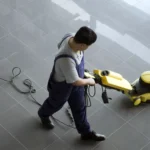
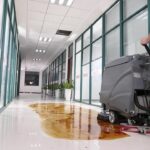
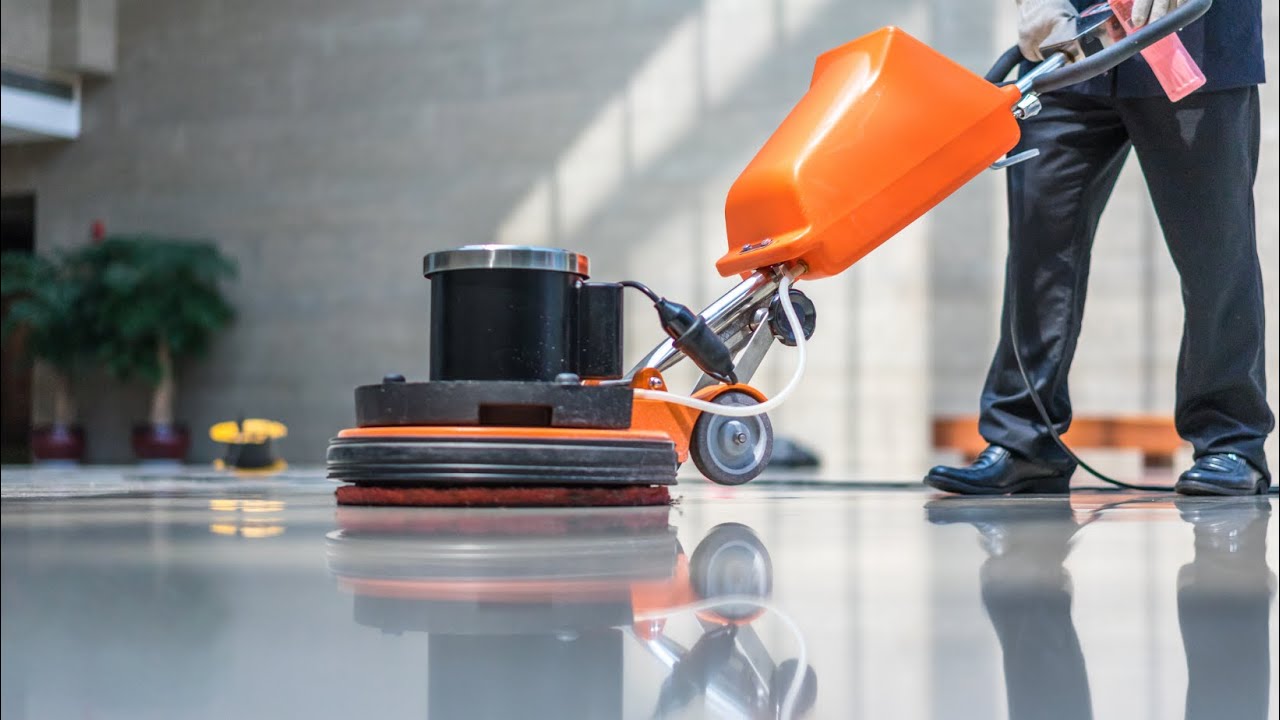
– Auto scrubbers for large floor areas
– HEPA-filter vacuums for dust control
– Steam cleaners for sanitization
– Burnishers for floor finishing
Manual vs machine-assisted cleaning:
– Manual mopping spreads contaminants if water is not changed frequently
– Auto scrubbers apply controlled solution and recovery, ensuring better hygiene
Operational insight:
In large retail spaces, switching from manual mopping to auto scrubbers can reduce cleaning time by 40 percent while improving consistency.
4. Cleaning Procedures for Different Environments
Each environment requires tailored procedures.
Office spaces:
– Dusting workstations
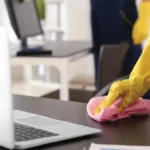
– Disinfecting shared surfaces
– Vacuuming carpets
Washrooms:
– High-frequency disinfection
– Restocking supplies
– Odor control
Industrial facilities:
– Degreasing surfaces
– Handling hazardous waste
– Machine area cleaning
Common mistake:
Applying the same cleaning process across all areas leads to inefficiency and risk. For example, using the same cloth for desks and washrooms creates cross-contamination.
5. Scheduling, Staffing, and Workflow Planning
Cleaning efficiency depends on structured scheduling.
Key factors:
– Peak and off-peak hours
– Staffing ratios
– Task allocation
– Emergency cleaning readiness
Real challenge:
Staff shortages often lead to rushed cleaning. In such cases, teams skip steps like proper disinfectant dwell time, which compromises results.
Workflow planning example:
– Zone-based cleaning assignments
– Color-coded equipment usage
– Time tracking per task
6. Quality Assurance and Inspections
Quality control is where most cleaning operations fail.
Standard practices:
– Supervisor inspections
– Checklists per area
– Periodic audits
– Client feedback loops
Real scenario:
A facility failed inspection due to overlooked high-touch points such as elevator buttons and light switches. These areas are often missed without structured checklists.
Critical Operational Failures and Their Impact
Incorrect Chemical Usage
Leads to surface damage and health risks.
Improper Dilution Ratios
Too strong causes residue buildup
Too weak reduces cleaning effectiveness
Ignoring Dwell Time
Disinfectants require time to kill pathogens. Wiping immediately defeats the purpose.
Cross-Contamination
Using the same tools across areas spreads bacteria.
Lack of Training
Untrained staff rely on guesswork, leading to inconsistent results.
Safety Failures
Ignoring PPE and handling protocols can lead to workplace injuries and compliance violations.
Trade-Offs in Commercial Cleaning Decisions
Cost vs Quality
Lower-cost services often reduce:
– Cleaning frequency
– Staff training
– Quality inspections
In-House vs Outsourced Cleaning
In-house:
– More control
– Higher management burden
Outsourced:
– Professional systems
– Less direct control
Small Contracts vs Large Facilities
Large facilities require:
– Scalable workforce
– Structured systems
– Advanced equipment

Decision-Making Logic for Hiring Cleaning Providers
Experienced procurement teams evaluate:
– Standard operating procedures
– Staff training programs
– Equipment quality
– Inspection processes
– Compliance certifications
Instead of focusing only on pricing, they assess long-term value and risk reduction.
For businesses evaluating service providers, reviewing structured **[Professional Cleaning Services](https://cleanstream.ca/services/)** offerings helps align operational requirements with service capabilities.
Industry Trends and Insights
– The North American cleaning industry is valued at over $100 billion
– Demand for eco-friendly cleaning is increasing
– Automation and smart equipment adoption is rising
– Post-pandemic hygiene expectations remain high
Organizations are shifting toward data-driven cleaning performance, using tracking systems and reporting tools.
FAQs
1. What are the most important commercial cleaning standards to follow?
The most important standards focus on consistency, safety, and effectiveness. This includes proper chemical usage, defined cleaning procedures, and regular inspections. Businesses must also ensure staff are trained to follow structured workflows rather than relying on assumptions. High-touch surface disinfection is critical, especially in shared environments. Regular audits help maintain compliance and performance.
2. How often should commercial spaces be cleaned?
Cleaning frequency depends on usage and foot traffic. Offices may require daily cleaning, while high-traffic areas such as washrooms need multiple cleanings per day. Facilities like healthcare centers require strict disinfection schedules. A proper site assessment determines the exact frequency needed. Over-cleaning increases costs, while under-cleaning increases risk.
3. Why is dwell time important in disinfection?
Dwell time is the period a disinfectant must remain on a surface to be effective. Many cleaning teams wipe surfaces too quickly, reducing the product’s ability to kill pathogens. Following manufacturer guidelines ensures proper sanitation. Skipping this step creates a false sense of cleanliness. It is one of the most common operational mistakes.
4. What equipment is essential for professional cleaning?
Key equipment includes HEPA vacuums, auto scrubbers, and steam cleaners. These tools improve efficiency and cleaning quality compared to manual methods. Equipment selection depends on the facility type and surface materials. Investing in proper machinery reduces labor time and improves consistency. Poor equipment leads to uneven results.
5. How can businesses prevent cross-contamination?
Using color-coded tools and separate cleaning materials for different areas is essential. Staff must be trained to follow strict protocols when moving between spaces. Cleaning washrooms and office desks with the same tools spreads bacteria. Regular supervision ensures compliance. Proper storage and sanitation of equipment also play a role.
6. What should businesses look for in cleaning service providers?
Businesses should evaluate processes, not just pricing. This includes training systems, quality control measures, and compliance with safety standards. Providers should offer clear reporting and accountability. Experience in similar facilities is also important. A structured approach ensures consistent service delivery.
Commercial cleaning standards are not optional. They are essential for maintaining safe, compliant, and efficient business environments. From chemical selection to staff training and inspection systems, every detail matters in real-world operations.
Businesses that invest in structured cleaning processes reduce risk, improve workplace health, and protect their long-term assets. Whether managing a single office or multiple locations, aligning with professional standards ensures consistent and reliable results.
If you are evaluating cleaning operations or vendors, focus on systems, not shortcuts. That is where long-term value is created.