
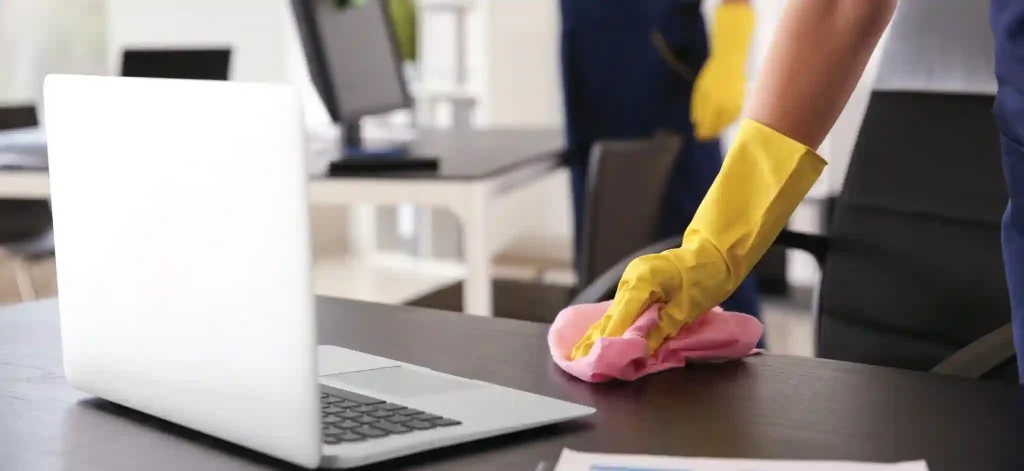
Walk into any office at 9 AM and you can immediately tell whether cleaning is managed properly. Dust on desks, fingerprints on glass, stained carpets, and overflowing trash bins signal more than poor housekeeping. They indicate weak operational planning.
For facility managers and business owners, deciding how often to schedule **professional cleaning services** is not just about appearance. It directly impacts employee health, productivity, asset lifespan, and compliance with workplace safety standards in both Canada and the US.
The reality is there is no universal cleaning frequency. What works for a 10-person office will fail in a 200-seat corporate space. The right approach depends on traffic levels, workspace design, industry requirements, and operational priorities.
This guide breaks down how cleaning schedules are actually determined on the ground, based on real operational experience, not generic advice.
Industry Insight: Why Cleaning Frequency Matters
According to industry data from ISSA and workplace hygiene studies:
– Office desks can carry more bacteria than toilet seats when not regularly cleaned
– High-touch surfaces like door handles can transmit pathogens within hours
– Regular cleaning reduces employee sick days by up to 30% in shared environments
For businesses in Canada and the US, where labor costs are high, even a small reduction in absenteeism can justify increased cleaning frequency.
Understanding Office Cleaning Categories
Before deciding frequency, you need to understand what “cleaning” actually includes in a professional context.
Daily Cleaning Tasks
– Trash removal
– Surface wiping
– Washroom sanitation
– Floor vacuuming or mopping
– Kitchen and breakroom cleaning
Weekly Cleaning Tasks
– Deep vacuuming of carpets
– Dusting vents and high surfaces
– Glass and partition cleaning
– Disinfection of shared equipment
Periodic Deep Cleaning
– Carpet extraction
– Floor stripping and waxing
– Upholstery cleaning
– HVAC vent cleaning
A proper cleaning schedule combines all three layers.
How Often Should Offices Be Cleaned?
1. Low-Traffic Offices (1 to 10 Employees)
Recommended Frequency:
– Cleaning: 2 to 3 times per week
– Deep cleaning: Monthly
These environments generate less waste and contamination. However, skipping cleaning entirely leads to buildup that becomes harder and more expensive to manage later.
Real Scenario:
A small accounting office reduced cleaning to once a week to save cost. Within two months, carpets developed odor issues and required full extraction, costing more than consistent maintenance.
2. Medium Offices (10 to 50 Employees)
Recommended Frequency:
– Cleaning: Daily or 5 times per week
– Deep cleaning: Every 2 to 4 weeks
Shared spaces increase contamination risk. Kitchens and washrooms require daily attention.
Operational Insight:
In offices with shared desks, bacteria transfer increases significantly. Daily cleaning is not optional in such environments.
3. High-Traffic Offices (50+ Employees)
Recommended Frequency:
– Cleaning: Daily with multiple touchpoints
– Day porter services: Recommended
– Deep cleaning: Weekly to bi-weekly
These offices require structured workflows and sometimes daytime cleaning staff.
Real Challenge:
High-rise offices often face elevator scheduling constraints. Cleaning teams must coordinate timing to avoid delays, especially during peak hours.
4. Specialized Environments
Medical Offices
– Cleaning: Multiple times daily
– Strict disinfection protocols
Corporate Headquarters
– Cleaning: Daily with premium detailing
– Frequent glass and floor maintenance
Coworking Spaces
– Cleaning: Daily with high-frequency touchpoint cleaning
Step-by-Step: How Professional Cleaning Is Delivered
Site Assessment and Scope Definition
A proper cleaning schedule starts with a walkthrough.
Key factors evaluated:
– Square footage
– Flooring types
– Number of occupants
– High-touch zones
– Washroom usage
Mistake to Avoid:
Skipping this step leads to underquoting and poor service delivery.
Chemical Selection and Usage
Different surfaces require different chemicals.
– Neutral cleaners for general surfaces
– Disinfectants for high-touch areas
– Degreasers for kitchens
What Happens If Wrong Chemicals Are Used:
– Floor damage
– Surface discoloration
– Health risks for employees
Equipment Selection
Professional teams use:
– HEPA vacuums for air quality
– Auto scrubbers for large floors
– Microfiber systems for efficient cleaning
Manual vs Machine Cleaning:
– Manual cleaning is slower but precise
– Machines improve efficiency but require trained operators
Cleaning Procedures
Each area follows specific protocols:
Workstations
– Wipe surfaces
– Disinfect shared equipment
Washrooms
– High-level disinfection
– Odor control
Floors
– Vacuum or scrub depending on material
Scheduling and Staffing
Cleaning schedules are designed around:
– Office hours
– Security access
– Noise restrictions
Real Issue:
In many offices, cleaners have only 2 to 3 hours to complete work. Poor planning leads to rushed cleaning and missed areas.
Quality Control and Inspections
Professional cleaning is not complete without inspections.
Methods include:
– Supervisor checks
– Client feedback logs
– Periodic audits
Common Mistakes in Cleaning Frequency Decisions
1. Reducing Cleaning to Cut Costs
Short-term savings lead to long-term expenses.
2. Ignoring High-Touch Areas
Even clean-looking offices can spread illness.
3. Poor Staff Training
Untrained cleaners misuse chemicals and equipment.
4. No Standard Operating Procedures
Without SOPs, consistency is impossible.
Cost vs Frequency Trade-Off
| Frequency | Cost Impact | Risk Level |
|———-|————|———–|
| Low | Lower cost | Higher hygiene risk |
| Medium | Balanced | Moderate risk |
| High | Higher cost | Low risk |
Insight:
Experienced managers balance cost with risk, not just budget.
In-House vs Outsourced Cleaning
In-House Cleaning
– More control
– Higher management overhead
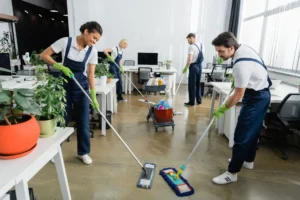
Outsourced Professional Cleaning Services
– Expertise and systems
– Scalable workforce
For most businesses, outsourcing provides better consistency.
Real-World Scenario: Missed Cleaning Schedule
A mid-sized office reduced cleaning frequency from daily to three times per week.
Results within 6 weeks:
– Employee complaints increased
– Washroom hygiene declined
– Client perception dropped
Eventually, cleaning frequency was restored with additional costs.
How to Decide the Right Cleaning Schedule
Ask These Questions:
1. How many people use the space daily?
2. Are there shared desks or equipment?
3. What type of flooring is used?
4. Are there compliance requirements?
5. What is the client-facing exposure?
FAQs
1. How often should small offices hire professional cleaners?
Small offices typically require cleaning two to three times per week. However, if employees share desks or use common kitchens frequently, daily cleaning becomes necessary. Over time, reduced cleaning frequency leads to buildup that is harder to manage. Regular maintenance ensures consistent hygiene without requiring expensive deep cleaning interventions.
2. Is daily office cleaning necessary for all businesses?
Not every office needs daily cleaning, but most medium to large workplaces benefit from it. High-touch areas like door handles, desks, and washrooms require daily attention. Without it, bacteria levels increase quickly. Daily cleaning also improves employee perception and maintains a professional environment for visitors.
3. What is included in professional office cleaning?
Professional cleaning includes surface disinfection, vacuuming, washroom sanitation, trash removal, and kitchen cleaning. More advanced services include carpet extraction, floor polishing, and deep disinfection. The scope depends on the agreed cleaning plan and facility requirements.
4. How do cleaning companies determine pricing?
Pricing is based on square footage, frequency, complexity, and labor requirements. Offices with heavy foot traffic or specialized cleaning needs cost more. Equipment usage and cleaning time also influence pricing. Transparent vendors provide detailed breakdowns during quoting.
5. What happens if cleaning frequency is too low?
Low cleaning frequency leads to dirt buildup, odor issues, and increased health risks. Over time, surfaces degrade faster, and cleaning becomes more expensive. Employee complaints also rise, affecting productivity and morale.
6. Are eco-friendly cleaning options effective?
Yes, many eco-friendly cleaning products are effective when used correctly. However, they must be paired with proper procedures and dwell time. Poor application reduces effectiveness. Professional cleaners in Canada often use certified green products that meet safety standards.
7. Should offices invest in daytime cleaning staff?
Daytime cleaning staff, also known as day porters, are useful in high-traffic offices. They handle ongoing cleaning tasks like restocking washrooms and managing spills. This reduces the workload on after-hours cleaning teams and maintains cleanliness throughout the day.
Office cleaning is not just a routine task. It is a structured operational system that affects health, productivity, and long-term maintenance costs.
The right cleaning frequency depends on your environment, usage patterns, and business priorities. Experienced facility managers do not guess. They assess, test, and refine cleaning schedules based on real conditions.
If your current cleaning setup feels inconsistent or reactive, it is time to evaluate your approach. A well-structured cleaning program delivers measurable value beyond just a clean workspace.
Next Step:
Review your current cleaning frequency and align it with actual office usage. If needed, consult a professional team to design a schedule that works in real-world conditions.