The Hidden Cost of “Good Enough” Cleaning
High-traffic areas are where cleaning programs either succeed or quietly fail. Lobbies, washrooms, elevators, corridors, break rooms, and shared workspaces accumulate soil, bacteria, oils, salts, and airborne contaminants at a rate most DIY cleaning routines are not designed to manage.
From years of hands-on field operations across office towers, medical clinics, retail centers, multi-residential buildings, and industrial facilities, one reality is consistent: DIY cleaning methods break down under volume, frequency, and compliance pressure.
For facility managers and business owners across Canada and the US, the decision is rarely about effort. It is about whether in-house or informal cleaning methods can realistically deliver hygienic outcomes, surface preservation, and risk control in spaces used by hundreds or thousands of people every day.
This article explains why DIY cleaning is operationally insufficient for high-traffic environments and how professional cleaning services are structured to manage these realities in real-world conditions.
—
Understanding High-Traffic Areas in Commercial and Residential Facilities
What Qualifies as High-Traffic
High-traffic areas are defined by usage intensity, not square footage. Examples include:
– Building entrances and vestibules
– Elevator cabs and call panels
– Washrooms and locker rooms
– Hallways and stairwells
– Shared kitchens and break rooms
– Retail aisles and checkout zones
– Healthcare waiting rooms
– Fitness centers and amenity spaces
These zones experience constant contact with hands, footwear, equipment wheels, and airborne particulates.
Why Traffic Volume Changes the Cleaning Equation
In low-use spaces, light soil accumulation allows for basic wipe-downs and occasional mopping. In high-traffic areas, contamination is continuous. Soil is reintroduced minutes after cleaning. Salts, oils, and bio-contaminants embed into surfaces quickly.
DIY cleaning typically operates on visual cleanliness. Professional cleaning operates on contamination control, dwell time, and surface chemistry.
—
Why DIY Cleaning Methods Fall Short
Lack of Structured Site Assessment
Professional cleaning services begin with a site assessment. DIY cleaning does not.
A proper assessment evaluates:
– Traffic patterns by time of day
– Surface types and finish conditions
– Soil load types such as organic, petroleum-based, mineral
– Regulatory exposure such as health, safety, or infection control
– Wear patterns and failure points
Without this analysis, cleaning efforts are reactive and inconsistent.
Incorrect Chemical Selection and Misuse
DIY cleaning often relies on general-purpose products. High-traffic environments require targeted chemistry.
Common DIY failures include:
– Using neutral cleaners where degreasers are required
– Applying disinfectants without cleaning first
– Mixing incompatible chemicals
– Using consumer-grade products not designed for commercial soil loads
Incorrect chemical choice leads to residue buildup, surface damage, and ineffective disinfection.
Improper Dilution Ratios
Professional cleaners use controlled dilution systems. DIY cleaning relies on estimation.
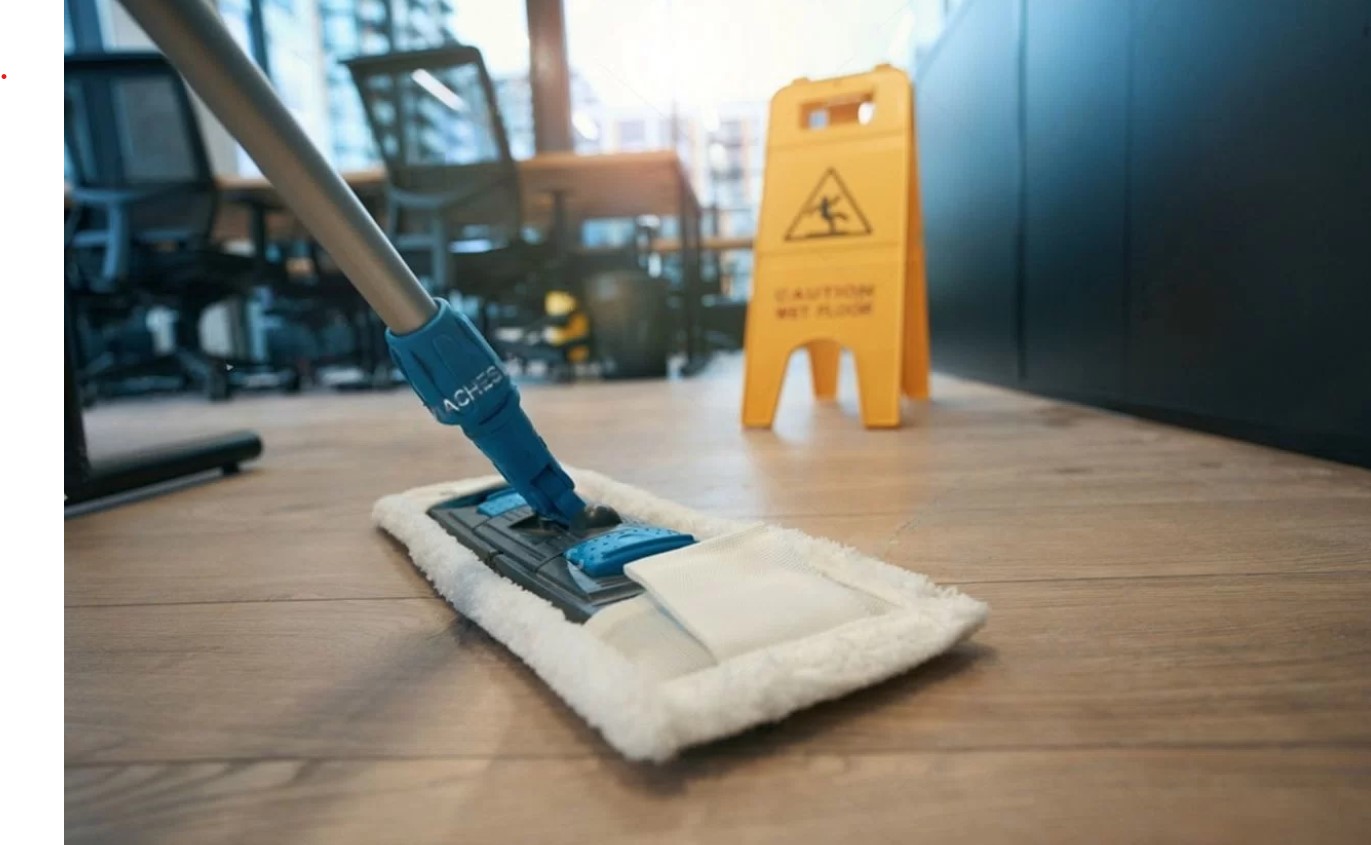
Over-dilution results in ineffective cleaning and sanitation. Under-dilution causes sticky residues, floor dulling, and slip hazards.
In high-traffic areas, incorrect dilution accelerates re-soiling and increases long-term maintenance costs.
Inadequate Disinfectant Dwell Time
Disinfectants require dwell time to work. Many require 5 to 10 minutes on a surface.
DIY cleaning almost never allows this. Wipe-on, wipe-off habits render disinfectants useless and create a false sense of safety.
This is a common failure point identified during health inspections and post-outbreak audits.
—
Cross-Contamination: The Silent Operational Risk
How DIY Cleaning Spreads Contamination
Without formal protocols, DIY cleaning often moves contamination from one area to another.
Typical mistakes include:
– Using the same cloth across multiple surfaces
– Cleaning washrooms and offices with the same tools
– Reusing mop water across zones
– Storing equipment improperly
High-traffic areas amplify these risks because contamination loads are higher.
Professional Zoning and Color-Coding Systems
Professional cleaning services use:
– Color-coded microfiber systems
– Area-specific tools and carts
– Defined workflows from clean to dirty zones
These controls are essential in healthcare, food service, and shared facilities but are rarely implemented in DIY programs.
—
Equipment Limitations in DIY Cleaning
Manual Cleaning vs Machine-Assisted Cleaning
Manual cleaning has limits in high-traffic environments.
Professional operations deploy:
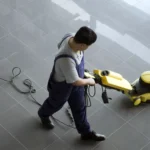
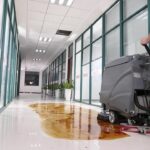
– Auto scrubbers for floor restoration
– HEPA vacuums for particulate control
– Steam cleaners for grout and touchpoints
– Burnishers for finish maintenance
DIY cleaning relies on mops and household vacuums that redistribute soil instead of removing it.
HEPA Filtration and Indoor Air Quality
High-traffic areas generate airborne contaminants. Professional vacuums capture fine particulates.
Consumer equipment often lacks sealed systems, releasing dust back into the air and contributing to respiratory complaints.
—
Staffing, Training, and Workflow Realities
Training Gaps in DIY Cleaning
Professional cleaners receive training on:
– Chemical safety and SDS compliance
– Surface-specific procedures
– Infection prevention protocols
– Equipment operation
– Incident reporting
DIY cleaning is typically assigned as a secondary duty without formal instruction.
This leads to inconsistent outcomes and safety exposure.
Staffing Levels and Time Pressure
High-traffic areas require frequency, not occasional attention.
DIY programs underestimate:
– Time required per task
– Recovery time between uses
– Peak usage windows
Professional cleaning schedules are built around traffic flow, not convenience.
—
Quality Assurance and Inspection Failures
Why DIY Cleaning Lacks Accountability
Professional cleaning services include:
– Checklists and scope verification
– Supervisory inspections
– Client reporting and corrective actions
– Continuous improvement processes
DIY cleaning has no formal feedback loop. Issues are only addressed after complaints escalate.
Real-World Example: Lobby Floor Failure
In a multi-tenant office building, DIY mopping led to embedded soil and finish breakdown. Slip incidents increased during wet weather. Professional intervention required stripping, refinishing, and revised maintenance schedules.
The cost of correction exceeded years of professional service fees.
—
Compliance, Liability, and Risk Management
Health and Safety Regulations
In Canada and the US, facilities must comply with:
– Occupational health and safety regulations
– Infection control guidelines
– Slip and fall prevention standards
DIY cleaning often fails audits due to lack of documentation and training records.
Insurance and Legal Exposure
After incidents, cleaning records are reviewed. Professional cleaning services provide documentation. DIY programs rarely do.
This creates liability exposure during claims and investigations.
—
Cost Trade-Offs and Operational Decisions
Cost vs Cleaning Quality
DIY cleaning appears cheaper on paper. Hidden costs include:
– Increased floor restoration
– Higher absenteeism due to illness
– Tenant dissatisfaction
– Regulatory penalties
Professional cleaning focuses on lifecycle cost, not just labor.
In-House vs Outsourced Professional Cleaning
In-house cleaning struggles with:
– Staff turnover
– Coverage gaps
– Training consistency
– Equipment investment
Outsourced professional cleaning services scale staffing, training, and equipment across multiple sites.
Small Sites vs Multi-Location Management
High-traffic cleaning becomes exponentially complex across portfolios. Professional cleaning services provide standardized procedures and centralized oversight.
—
How Experienced Managers Choose Professional Cleaning Services
Decision-makers evaluate:
– Site assessment methodology
– Chemical and equipment standards
– Staffing models and supervision
– Quality assurance processes
– Emergency response capability
They look for alignment with operational realities, not lowest price.
This is where **Professional Cleaning Services** such as commercial cleaning, office cleaning, janitorial services, residential cleaning, and specialty cleaning services become operational partners rather than vendors.
—
Industry Trends and Data Insights
– ISSA reports that high-touch surface contamination can rebound within 30 minutes in high-traffic spaces
– Health Canada emphasizes proper disinfectant dwell time as critical for effectiveness
– CDC and PHAC guidelines highlight environmental hygiene as a key infection control layer
Across North America, demand for structured **Cleaning Services in Canada** and the US continues to rise due to compliance pressure and occupant expectations.
Suggested external references:
– ISSA Cleaning Industry Research
– Health Canada Infection Prevention Guidelines
– CDC Environmental Cleaning Resources
—
FAQs
Why can’t regular staff handle cleaning high-traffic areas effectively?
Regular staff lack training, time, and equipment. High-traffic areas require specialized procedures, chemical knowledge, and frequency that exceed general duties.
How often should high-traffic areas be professionally cleaned?
Frequency depends on usage. Many areas require multiple daily touchpoint cleanings and daily machine floor maintenance.
Are professional cleaning chemicals stronger or more dangerous?
They are more targeted, not inherently more dangerous. When used correctly, they are safer and more effective than misused consumer products.
What happens if disinfectant dwell time is ignored?
Pathogens survive. Surfaces may appear clean but remain contaminated, increasing illness transmission risk.
Is professional cleaning only for large buildings?
No. Any space with concentrated foot traffic benefits, including small offices, clinics, and retail stores.
How do professional cleaners prevent cross-contamination?
Through zoning, color-coded tools, workflow planning, and training that DIY programs rarely implement.
Does outsourcing cleaning reduce control?
Properly managed contracts increase control through reporting, inspections, and performance metrics.
—
Conclusion: Cleaning Is an Operational System, Not a Chore
High-traffic environments expose the limits of DIY cleaning quickly. What works in a low-use space fails under volume, compliance demands, and health risk.
Professional cleaning services are built around assessment, chemistry, equipment, training, and accountability. They exist because high-traffic cleaning is a technical operation, not a visual task.
For facility managers and business owners in Canada and the US, the real question is not whether DIY cleaning is cheaper. It is whether it is operationally capable of protecting people, assets, and reputation.
If you are evaluating cleaning performance in high-traffic areas, start with a professional site assessment and scope review. That step alone often reveals why DIY cleaning is not enough.