
First impressions in business are formed faster than most executives realize. Research in environmental psychology and workplace behavior consistently shows that people begin forming judgments about professionalism, trust, and competence within seconds of entering a space. For businesses in Canada and the United States, where competition is intense and customer expectations are high, workspace cleanliness plays a direct role in how clients perceive your brand before a single word is spoken.
Clean floors, odor-free restrooms, spotless glass, and well-maintained common areas are not cosmetic details. They are operational signals. They communicate discipline, attention to detail, and respect for both clients and staff. When Workspace Cleaning Services are executed correctly, they support business reputation, customer confidence, and long-term relationship building.
This article explains, from real cleaning operations experience, how professional cleaning impacts client impressions, how services are structured, what goes wrong in poorly managed programs, and how facility managers and business owners can make smarter cleaning decisions that protect brand credibility.
The Psychology of Cleanliness and Client Perception
Clients do not consciously analyze cleaning quality. Instead, they form emotional and cognitive shortcuts based on environmental cues.
Studies from organizations such as the ISSA and commercial real estate research groups show that visitors associate cleanliness with:
• Professional competence
• Financial stability
• Operational discipline
• Safety and risk management
• Trustworthiness
In reception areas, conference rooms, washrooms, and high-touch surfaces, visible dirt or odors immediately lower perceived quality. Even when service delivery is strong, poor cleaning conditions can override positive experiences.
From a facility operations perspective, this is why Workspace Cleaning Services are considered part of brand infrastructure rather than a basic maintenance function.
How Clients Interpret Visual and Sensory Signals
Floors and Entryways
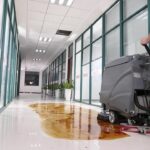
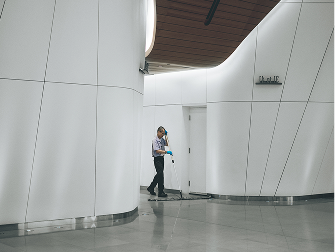
Floors are one of the first elements clients see. Scuffed tile, stained carpet, or debris at entrances creates a perception of neglect. In commercial environments, professional cleaning teams use:
• Daily dust mopping or vacuuming
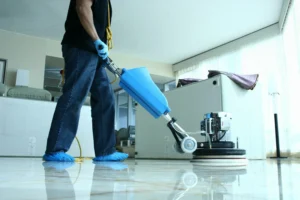
• Scheduled auto-scrubbing for hard floors
• Carpet extraction based on traffic load
• Matting systems to control soil entry
When floor care is skipped or delayed, soil migrates deeper into fibers and floor finishes, increasing long-term restoration costs and accelerating surface degradation.
Restrooms and Sanitation Areas
Restrooms carry disproportionate weight in perception. Research in facility management consistently shows that restroom cleanliness heavily influences whether visitors judge a business as well-run.
Professional Cleaning Services manage restrooms using:
• Proper disinfectant dwell times
• Cross-contamination color-coded tools
• Odor control systems
• Touchpoint disinfection schedules
Improper chemical selection or rushed cleaning leads to odor return, surface film, and bacterial buildup that clients notice immediately.
Glass, Surfaces, and Touchpoints
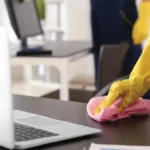
Fingerprints on glass, dust on desks, and smudged doors send a signal of poor attention to detail. In high-end corporate environments, even minor surface issues reduce perceived professionalism.
Professional cleaning teams structure surface programs around:
• High-touch disinfection mapping
• Electrostatic or microfiber-based cleaning
• Daily versus periodic surface rotation
• Inspection-based corrective action
Step-by-Step: How Professional Workspace Cleaning Is Delivered
Site Assessment and Cleaning Scope Definition
Every professional cleaning program starts with a site walkthrough. This is not a generic checklist. Experienced supervisors evaluate:
• Traffic patterns
• Surface types
• Occupancy schedules
• Industry risk level
• Client-facing zones versus back-of-house areas
A law firm, medical office, warehouse, and tech company all require different cleaning frequencies and chemical programs. Cleaning scope definition determines staffing, time-on-site, and inspection criteria.
When this step is rushed or skipped, cleaning crews are understaffed and critical areas are missed, leading to visible quality failures.
Chemical and Disinfectant Selection
Not all cleaners are equal. Selecting the wrong chemical can damage surfaces, leave residues, or fail to disinfect properly.
Professional Cleaning Services select products based on:
• Surface compatibility
• Kill claims and dwell time
• Environmental regulations
• Indoor air quality impact
• Health Canada and EPA compliance
Using incorrect chemicals leads to streaking, residue buildup, odor complaints, and surface degradation. In extreme cases, it can also cause safety incidents or regulatory violations.
Equipment and Machinery Selection
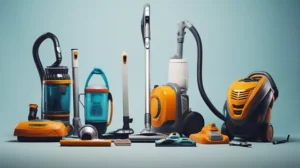
Manual cleaning alone cannot maintain modern commercial spaces. Professional operations rely on:
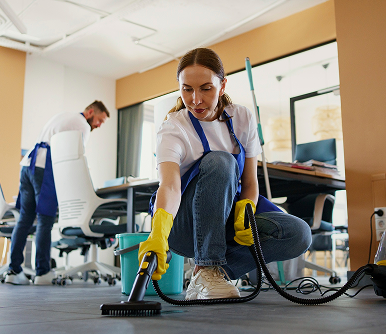
• HEPA-filtered vacuums for indoor air quality
• Auto scrubbers for large hard-floor areas
• Steam cleaners for sanitation without chemical residue
• Carpet extractors for soil removal
• Microfiber systems to reduce cross-contamination
Using outdated or underpowered equipment increases labor time, reduces consistency, and leaves visible defects that clients notice.
Cleaning Procedures by Environment
Different environments require different workflows:
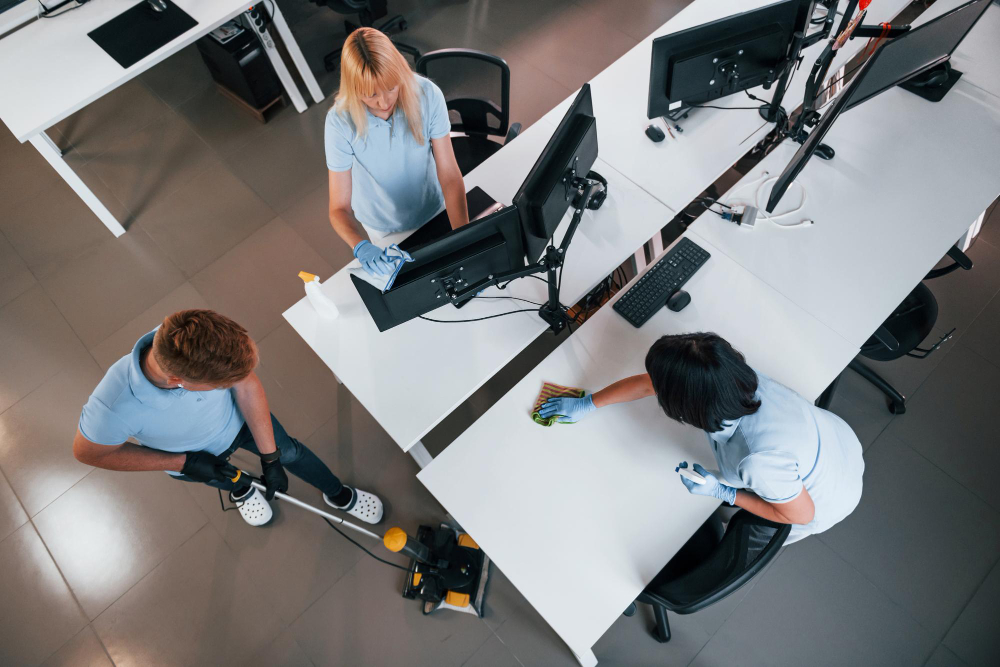
• Offices focus on desks, glass, restrooms, and floors
• Medical clinics prioritize infection control
• Retail focuses on presentation and high-traffic surfaces
• Industrial facilities require degreasing and safety compliance
Professional cleaning companies train crews to follow environment-specific SOPs. Generic cleaning processes result in missed contamination points and inconsistent presentation.
Scheduling, Staffing, and Workflow Planning
Cleaning timing affects quality. High-traffic daytime cleaning requires different protocols than overnight service.
Operations teams balance:
• Cleaning during low-traffic hours
• Access to secure areas
• Response time for spills and incidents
• Coverage during peak occupancy
Understaffing leads to rushed cleaning, skipped tasks, and recurring complaints.
Quality Assurance and Inspections
High-level operations include:
• Supervisor inspections
• Client walkthroughs
• Issue tracking and corrective actions
• KPI reporting
Without inspections, small failures accumulate into major perception problems.
What Goes Wrong When Cleaning Programs Are Poorly Managed
Incorrect Chemical Use
Using multi-purpose cleaners on sensitive surfaces leads to dulling, residue, and odor. Clients often notice sticky desks, cloudy glass, and streaked floors.
Improper Dilution Ratios
Over-concentrated chemicals leave residue and attract soil faster. Under-diluted products fail to disinfect. Both situations result in repeat complaints.
Inadequate Disinfectant Dwell Time
Rushing disinfection defeats its purpose. High-touch surfaces that are wiped too quickly remain contaminated, increasing illness risk and reducing client confidence.
Cross-Contamination Failures
Using the same tools in restrooms and offices spreads bacteria. Professional systems use color-coded microfiber to prevent this. When ignored, odor and hygiene issues spread.
Insufficient Staff Training
Untrained cleaners miss high-impact areas and misuse chemicals and equipment. This leads to inconsistent results and higher long-term costs.
Safety Protocol Violations
Improper signage, chemical handling, or equipment use can cause accidents. A single safety incident damages both reputation and client trust.
Cost vs Quality and Operational Trade-Offs
In-House vs Outsourced Cleaning
In-house teams often lack access to advanced equipment, professional chemicals, and training. Outsourced Professional Cleaning Services provide scalable systems, compliance support, and consistent supervision.
Manual vs Machine-Assisted Cleaning
Manual cleaning is labor-intensive and inconsistent. Machine-assisted systems improve consistency and appearance, especially in large facilities.
Small Contracts vs Multi-Location Facilities
Multi-location clients require standardized programs, reporting, and escalation systems. Smaller providers may struggle to maintain consistency across sites.
Staffing and Turnover
High turnover leads to inconsistent quality. Established providers invest in training and retention to maintain service standards.
How Facility Managers and Buyers Make Cleaning Decisions
Experienced buyers evaluate:
• Inspection systems
• Staff training programs
• Chemical compliance
• Equipment inventory
• Supervisor structure
• Emergency response capability
They also look for evidence of corrective action processes and communication protocols.
Workspace Cleaning Services that support long-term client relationships focus on systems, not just labor hours.
Industry Data and Trends
• ISSA reports increased client focus on visible hygiene and disinfection
• CBRE research shows workplace experience impacts client and tenant satisfaction
• EPA indoor air quality guidance highlights HEPA filtration importance
• FacilitiesNet reports growing adoption of green cleaning standards
These trends reinforce that cleaning is now part of brand and risk management strategy.
Practical Ways to Improve Client Impressions Through Cleaning
-
Audit all client-facing areas monthly
-
Increase inspection frequency in high-traffic zones
-
Upgrade to HEPA-filtered equipment
-
Implement microfiber and color-coding systems
-
Track complaints and resolution times
-
Schedule periodic deep cleaning for floors and upholstery
Internal Linking Opportunities
Link to:
• Commercial Cleaning Services
• Office Cleaning Services
• Janitorial Services
• Specialty Cleaning Services
Suggested External Resources
• ISSA Cleaning Industry Research
• EPA Indoor Air Quality Guidelines
• CDC Environmental Cleaning Guidance
FAQs
How often should client-facing areas be professionally cleaned
Client-facing areas should be cleaned daily at minimum. High-traffic environments may require multiple cleanings per day. Restrooms, entrances, and conference rooms need higher frequency due to visibility and hygiene risk. Scheduling should be based on traffic volume and business type. Inconsistent frequency leads to rapid perception decline. Inspections should guide adjustments.
Why do clients notice cleaning issues even when staff do not
Clients enter with fresh eyes and higher sensitivity to visual cues. Staff become accustomed to their environment and overlook gradual decline. Odors, streaks, and dust are more noticeable to visitors. This is why external inspections and supervisor walkthroughs are critical. Relying only on internal feedback often misses perception problems.
Can poor cleaning affect business revenue
Yes. Studies show that perceived cleanliness impacts trust and brand perception. In professional services, healthcare, and retail, clients associate cleanliness with competence. Poor presentation can reduce repeat visits and referrals. It can also impact online reviews and reputation. Over time, this directly affects revenue.
How does cleaning impact indoor air quality and client comfort
HEPA filtration, proper dust control, and chemical selection affect indoor air quality. Poor vacuum systems recirculate dust and allergens. Strong chemical odors reduce comfort. Professional systems improve air quality, reducing complaints and increasing perceived comfort for visitors.
What should buyers look for in a professional cleaning provider
Buyers should look for inspection systems, trained supervisors, compliant chemicals, proper equipment, and documented SOPs. A provider should demonstrate corrective action processes. References and site audits are critical. Lowest price providers often lack systems needed for consistent quality.
How do professional cleaning services handle emergency situations
Professional providers maintain on-call teams for spills, biohazards, or sudden contamination. Response protocols are defined in service agreements. Delayed response leads to safety and perception risks. Emergency readiness is a key differentiator for serious facilities.
How can businesses measure the impact of cleaning on client impressions
Track client feedback, complaint frequency, inspection scores, and online reviews. Monitor odor and visual condition in high-traffic zones. Compare before-and-after deep cleaning cycles. Consistent improvements in these areas correlate with better client perception.
Clean workspaces are not just operational necessities. They are part of how clients judge your business before any conversation takes place. From floors and glass to restrooms and air quality, Workspace Cleaning Services directly shape trust, credibility, and long-term relationships.
For facility managers and business owners in Canada and the US, investing in structured Professional Cleaning Services is a strategic decision that protects brand reputation and supports business growth.