


If you have ever managed a facility, you already know that cleaning is not just about appearance. It is about compliance, occupant health, asset preservation, and operational continuity.
Yet many organizations still treat cleaning services as a commodity. They compare quotes line by line without understanding what actually happens on site. This often leads to inconsistent service, failed audits, tenant complaints, and costly rework.
This guide breaks down what to expect from Cleaning Services in Canada, based on real operational workflows used across commercial offices, healthcare-adjacent environments, residential towers, and multi-site portfolios across Canada and the U.S.
It explains how Professional Cleaning Services in Canada are actually delivered in the field, how decisions are made, and what goes wrong when corners are cut.
What to Expect from a Professional Cleaning Service
Understanding the Scope Before Work Begins
Site Assessment and Walkthrough
Every serious cleaning contract begins with a detailed site assessment, not a quote based on square footage alone.
A proper walkthrough includes:
-
Floor type identification (vinyl, carpet, stone, epoxy)
-
Traffic pattern analysis
-
High-touch point mapping
-
Washroom fixture counts
-
Waste stream evaluation
-
Access constraints and security protocols
Field reality:
In a 12-story office building, two floors may require 3x the cleaning time due to higher occupancy and shared amenities. Without this analysis, staffing plans fail immediately.
Scope Definition and Task Breakdown
A professional provider builds a task matrix, not a vague checklist:
| Area | Task | Frequency | Method |
|---|---|---|---|
| Workstations | Surface disinfection | Daily | Microfiber + disinfectant |
| Carpets | Vacuuming | Daily | HEPA vacuum |
| Washrooms | Full sanitation | 2–3x daily | Disinfectant + dwell time |
What goes wrong without this:
Undefined scopes lead to disputes like “we thought that was included.” This is one of the most common sources of contract friction.
Chemical Selection and Disinfection Protocols
Choosing the Right Cleaning Agents
Professional teams do not use one cleaner for everything. Chemical selection depends on:
-
Surface compatibility
-
Soil type (organic vs inorganic)
-
Required disinfection level
-
Environmental and regulatory compliance
Common categories include:
-
Neutral cleaners for floors
-
Degreasers for kitchens
-
Acid-based cleaners for mineral deposits
-
Hospital-grade disinfectants
Dilution Control and Safety
Improper dilution is one of the biggest operational failures.
Too strong:
-
Damages surfaces
-
Leaves residues
-
Creates safety hazards
Too weak:
-
Ineffective cleaning
-
Failed disinfection
-
Increased rework
Example:
A janitorial team used over-concentrated disinfectant in a corporate washroom. Result: sticky floors, complaints, and eventual stripping and refinishing.
Dwell Time and Compliance
Disinfectants require specific contact time to be effective.
-
30 seconds to 10 minutes depending on product
-
Must remain wet during that time
Reality on site:
Under time pressure, staff often wipe surfaces immediately. This renders disinfection ineffective.
Equipment and Machinery in Professional Cleaning
Standard Equipment Used
Professional Cleaning Services in Canada typically deploy:
-
HEPA-filter vacuums for air quality control
-
Auto scrubbers for large floor areas
-
Burnishers for floor polishing
-
Steam cleaners for deep sanitation
-
Electrostatic sprayers for disinfection
Manual vs Machine Cleaning
| Factor | Manual Cleaning | Machine-Assisted |
|---|---|---|
| Cost | Lower upfront | Higher investment |
| Efficiency | Slower | Faster |
| Consistency | Variable | High |
Operational insight:
A 50,000 sq ft facility cleaned manually may require 6 staff. With auto scrubbers, that drops to 3–4.
Maintenance of Equipment
Neglected equipment causes:
-
Poor cleaning results
-
Safety hazards
-
Increased downtime
Example:
A clogged vacuum filter reduces suction by over 40 percent, leading to visible debris and failed inspections.
Cleaning Procedures by Environment
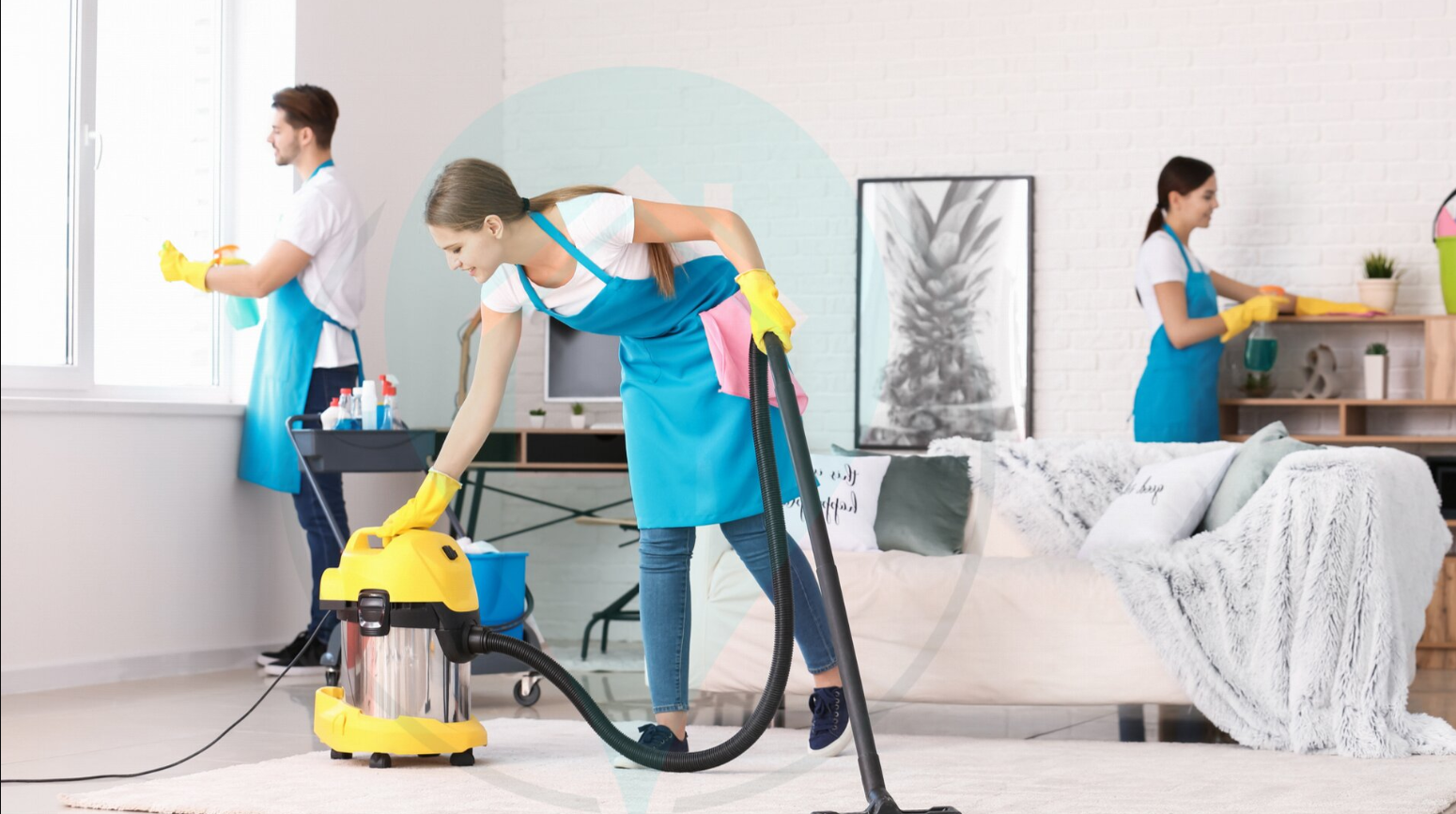
Office Spaces
-
Dusting from top to bottom
-
HEPA vacuuming
-
Touchpoint disinfection
-
Waste removal and liner replacement
Washrooms
-
Fixture descaling
-
Toilet and urinal sanitation
-
Floor disinfection
-
Odor control
Critical detail:
Washrooms often require multiple daily checks, not just one cleaning shift.
Residential Buildings
-
Lobby detailing
-
Elevator cleaning
-
Garbage room sanitation
-
Hallway vacuuming
Specialty Areas
-
Data centers require low-moisture cleaning
-
Medical-adjacent spaces require strict disinfection protocols
-
Industrial areas require degreasing and PPE compliance
Scheduling, Staffing, and Workflow Planning
Staffing Models
Staffing is calculated based on:
-
Square footage
-
Cleaning frequency
-
Complexity of tasks
Example:
-
30,000 sq ft office → 2–3 cleaners per shift
-
High-traffic retail → multiple shifts per day
Shift Planning
Typical schedules include:
-
Day porter services
-
Evening cleaning crews
-
Weekend deep cleaning
Workflow Optimization
Efficient teams follow:
-
Dry cleaning first (dusting, vacuuming)
-
Wet cleaning next
-
Disinfection last
Mistake to avoid:
Cleaning floors before dusting leads to rework.
Quality Assurance and Inspection Systems
Inspection Protocols
Professional providers use:
-
Checklists
-
Supervisor walkthroughs
-
Digital reporting tools
Key Performance Indicators
-
Cleanliness scores
-
Complaint frequency
-
Response times
-
Audit compliance rates
Continuous Improvement
Good vendors:
-
Track recurring issues
-
Adjust staffing levels
-
Retrain staff
Real scenario:
A facility repeatedly failed lobby cleanliness checks. Root cause: understaffing during peak hours. Solution: added a mid-day porter.
Health, Safety, and Compliance
Worker Safety
Includes:
-
PPE usage
-
Chemical handling training
-
Slip hazard prevention
Regulatory Compliance
In Canada and the U.S., cleaning must align with:
-
WHMIS (Canada)
-
OSHA (U.S.)
-
Local health regulations
Consequences of Non-Compliance
-
Fines
-
Liability claims
-
Workplace injuries
Common Operational Failures and Their Impact
Cross-Contamination
Using the same cloth in multiple areas spreads bacteria.
Solution:
-
Color-coded microfiber systems
Poor Training
Untrained staff:
-
Use wrong chemicals
-
Miss critical areas
-
Work inefficiently
Insufficient Staffing
Leads to:
-
Missed tasks
-
Rushed cleaning
-
Declining standards
Cost vs Quality Trade-Offs
Budget Constraints
Lower cost often means:
-
Fewer staff
-
Reduced frequency
-
Lower supervision
Frequency vs Deep Cleaning
Less frequent cleaning increases:
-
Dirt buildup
-
Long-term costs
In-House vs Outsourced
| Factor | In-House | Outsourced |
|---|---|---|
| Control | High | Medium |
| Cost predictability | Low | High |
| Expertise | Limited | Specialized |
How Procurement Teams Evaluate Cleaning Vendors
Key Evaluation Criteria
-
Experience with similar facilities
-
Staffing model
-
Training programs
-
QA systems
-
Safety record
RFQ and Contract Considerations
Procurement teams look for:
-
Clear scope definitions
-
Measurable KPIs
-
Escalation procedures
-
Flexibility for scaling
Red Flags
-
Unrealistically low pricing
-
No site visit before quoting
-
Lack of supervision structure
FAQs
1. How often should a commercial facility be cleaned?
Cleaning frequency depends on foot traffic, industry type, and hygiene requirements. Offices may need daily cleaning, while healthcare-adjacent spaces require multiple cleanings per day. High-touch areas like elevators and washrooms must be cleaned more frequently than general spaces. A proper assessment helps define realistic schedules.
2. What is included in professional cleaning services?
A complete service includes dusting, vacuuming, floor care, washroom sanitation, waste removal, and disinfection. Advanced contracts may include carpet extraction, window cleaning, and specialty services. The exact scope should always be clearly documented to avoid service gaps.
3. How do cleaning companies ensure quality?
Quality is maintained through inspections, checklists, and supervisor oversight. Many providers use digital reporting tools to track performance. Regular audits and feedback loops help identify recurring issues and improve service delivery over time.
4. Are eco-friendly cleaning products effective?
Yes, many modern eco-friendly products are highly effective when used correctly. However, they must still meet disinfection standards where required. The key is proper selection and application rather than assuming all green products perform equally.
5. What happens if cleaning standards drop?
A professional provider should have a corrective action process. This includes identifying root causes, retraining staff, and adjusting workflows. Persistent issues often indicate deeper problems such as understaffing or poor supervision.
6. How long does it take to onboard a cleaning service?
Onboarding can take anywhere from a few days to several weeks depending on facility size. It includes site assessment, staffing, training, and transition planning. Rushed onboarding often leads to service disruptions.
7. What should be included in a cleaning contract?
Contracts should include scope of work, frequencies, KPIs, pricing structure, escalation procedures, and termination clauses. Clear documentation prevents disputes and ensures accountability on both sides.
Professional cleaning is a structured, operational discipline, not a simple service line item. The difference between average and high-performing cleaning services lies in planning, execution, and accountability.
For organizations managing facilities in Canada and the U.S., understanding what happens behind the scenes helps you:
-
Set realistic expectations
-
Avoid costly mistakes
-
Select the right service provider
-
Maintain consistent standards
If you are reviewing or issuing an RFQ, focus less on price alone and more on how the service is delivered. That is where long-term value is created.