

Hiring a cleaning provider is not just a maintenance decision. It is a risk management decision.
Across Canada and the United States, commercial property owners, facility managers, and procurement teams are under increasing pressure to manage liability, protect occupants, and ensure regulatory compliance. According to data from the Insurance Bureau of Canada and the U.S. Bureau of Labor Statistics, workplace injuries in cleaning and janitorial roles remain consistently high due to slip hazards, chemical exposure, and equipment-related incidents. Add to that the rising cost of liability claims and property damage disputes, and the importance of working with Insured Cleaning Services becomes operationally critical rather than optional.
This article explains, from a field-level and management perspective, why fully insured providers matter, what insurance should actually cover, how risk exposure occurs in real cleaning environments, and how facility managers should evaluate insurance credentials when procuring cleaning contracts.
The goal is practical clarity, not marketing language.
Understanding What “Fully Insured” Actually Means
Many cleaning vendors claim to be insured. That statement alone is not sufficient.
A properly insured commercial cleaning provider in Canada or the United States should carry:
-
General liability insurance
-
Workers’ compensation or provincial equivalent
-
Commercial auto insurance
-
Bonding coverage
-
Pollution or environmental liability coverage
-
Umbrella or excess liability coverage for large facilities
Each serves a specific operational purpose.
1. General Liability Insurance
This covers third-party bodily injury and property damage.
Example scenario:
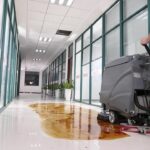
A cleaner mops a marble lobby floor. Wet floor signage is placed but a visitor slips before the surface dries. If the visitor files a claim for injury, general liability insurance responds.
Without it, the building owner may be drawn into litigation.
2. Workers’ Compensation
Cleaning is physically demanding. According to the U.S. Bureau of Labor Statistics, janitorial staff experience high rates of musculoskeletal injuries, slips, and falls. In Canada, provincial workers’ compensation boards track similar patterns.
If a cleaner injures their back lifting equipment in your facility and the company lacks coverage, liability exposure can shift toward the property owner. That risk alone justifies requiring documented coverage.
3. Bonding
Bonding protects against theft or dishonesty. Cleaning teams often work after hours with access to sensitive areas. Bonding reassures property management firms that financial recourse exists if internal theft occurs.
Real-World Risk Exposure in Cleaning Operations
Facility managers often underestimate how many risk points exist in routine cleaning.
Slip and Fall Hazards
Common causes:
-
Over-wetting floors
-
Improper chemical dilution causing residue buildup
-
Failing to cordon off large wet zones
-
Rushing turnover between shifts
If cross-contamination controls are ignored and chemicals are misapplied, residue can create slick surfaces that remain hazardous even after drying.
An insured provider absorbs the financial risk of such errors.
Chemical Misuse and Surface Damage
Incorrect chemical selection is a frequent operational failure.
Examples:
-
Acidic cleaners used on natural stone
-
High-alkaline degreasers on finished wood
-
Improper dilution of disinfectants damaging stainless steel
-
Bleach reacting with ammonia residues, creating harmful vapors
Damage repair can reach tens of thousands of dollars in commercial environments.
An insured contractor carries coverage for accidental property damage.
Equipment-Related Incidents
Commercial cleaning uses:
-
Auto scrubbers
-
Burnishers
-
HEPA-filter vacuums
-
Carpet extractors
-
Steam systems
-
Pressure washers
Improper operator training can result in:
-
Scratched flooring
-
Flooded carpet
-
Electrical hazards
-
Tripped breakers
Insurance coverage ensures that if operational errors occur, liability does not transfer to the facility owner.
The Legal and Contractual Implications
When managing cleaning contracts, procurement teams should require:
-
Certificates of Insurance (COI)
-
Named insured endorsements
-
Additional insured status for the property owner
-
Notice of cancellation clause
-
Coverage limits aligned with facility size and risk
Typical minimums in commercial environments:
-
$2 million general liability per occurrence
-
Workers’ compensation per provincial or state requirement
-
$5 million umbrella coverage for high-traffic facilities
Smaller contracts may operate at lower limits, but multi-location portfolios require higher thresholds.
Site Assessment and Insurance Risk Evaluation
Experienced cleaning providers conduct a risk assessment before starting service.
This includes:
1. Identifying High-Risk Zones
-
Food preparation areas
-
Medical spaces
-
Manufacturing floors
-
High-traffic lobbies
-
Loading docks
2. Evaluating Surface Types
-
Porous vs non-porous materials
-
Anti-slip coatings
-
Specialty flooring systems
3. Chemical Compatibility Planning
-
pH sensitivity of surfaces
-
Local environmental discharge regulations
-
Storage requirements
Insurance risk is directly tied to operational complexity.
Insurance and Professional Cleaning in Canada
In Canada, insurance requirements vary by province. For example:
-
Ontario facilities may require WSIB clearance certificates
-
Alberta operations often require environmental liability coverage
-
British Columbia enforces strict WorkSafeBC compliance
Professional Cleaning in Canada increasingly requires documentation before vendors are allowed on-site. Government facilities and healthcare institutions have especially strict requirements.
Cost Versus Risk: Why Cheap Uninsured Cleaning Is Expensive
One of the most common procurement mistakes is selecting vendors based solely on price.
Low bids often correlate with:
-
No workers’ compensation
-
Minimal liability coverage
-
Subcontracted labor without documentation
-
Poor chemical control
-
Inadequate safety training
The short-term savings rarely offset the long-term risk.
A single uninsured injury claim can exceed the annual cleaning contract value many times over.
In-House Cleaning vs Insured Outsourced Providers
In-House Cleaning
Advantages:
-
Direct control
-
Immediate response
-
Familiarity with facility
Disadvantages:
-
Insurance responsibility falls entirely on employer
-
Workers’ compensation premiums
-
HR management burden
-
Training oversight
-
Equipment maintenance costs
Outsourced Insured Cleaning Services
Advantages:
-
Risk transfer
-
Scalable staffing
-
Professional equipment access
-
Structured quality assurance
-
Insurance-backed operations
For multi-site operations, outsourcing often reduces administrative and insurance complexity.
Operational Scenarios Where Insurance Protects You
Scenario 1: Flooded Carpet After Extraction
A technician forgets to close a drain valve on a carpet extractor. Water floods into adjacent office space overnight.
Without insurance:
-
Property owner negotiates directly with vendor
-
Risk of unpaid damage
With insured provider:
-
Claim filed
-
Restoration covered
-
Minimal disruption to client
Scenario 2: Cross-Contamination in Medical Office
Improper cleaning cloth segregation spreads pathogens from restroom to exam room.
Insurance does not fix the hygiene failure, but liability coverage mitigates legal exposure if patient complaint escalates.
However, proper training is still critical.
Insurance is a safety net, not a substitute for professional standards.

Scheduling, Staffing, and Insurance Implications
Understaffing increases risk.
When cleaners rush:
-
Dwell time for disinfectants is shortened
-
Floors remain damp
-
Safety signage omitted
-
Chemical mixing errors occur
High turnover correlates with higher incident rates. Insured Cleaning Services with structured training programs demonstrate lower claim frequency.
Procurement managers should ask:
-
What is your average employee tenure?
-
What safety certifications are required?
-
How often are incident reports reviewed?
Quality Assurance and Risk Reduction
Insurance claims often follow failed inspections.
Professional providers implement:
-
Supervisor walkthroughs
-
Documented checklists
-
Incident reporting systems
-
Root cause analysis
-
Corrective action plans
Insurance carriers themselves often require documented safety programs before issuing policies.
A cleaning company that invests in quality management tends to maintain stronger insurance standing.
Industry Trends Supporting Insured Cleaning
-
Rising litigation rates in commercial environments
-
Increased insurance scrutiny post-pandemic
-
Growing compliance requirements in healthcare and education
-
ESG reporting influencing vendor selection
-
Third-party vendor risk management programs expanding
Large property management firms now routinely audit vendor insurance annually.
How to Verify Insurance Properly
Do not rely on verbal assurances.
Request:
-
Current Certificate of Insurance
-
Direct broker contact confirmation
-
Policy limit breakdown
-
Expiration dates
-
Endorsements listing your organization
Cross-check policy dates with contract start date.
Expired coverage is a common oversight.
Frequently Asked Questions
1. What insurance limits should I require for a mid-size office building?
For a 50,000 to 100,000 square foot office property, a minimum of $2 million general liability per occurrence is standard practice. Workers’ compensation must meet provincial or state statutory limits. If your building hosts high public traffic, consider requiring umbrella coverage of at least $5 million. The appropriate threshold depends on occupancy density, surface types, and contractual risk allocation clauses.
2. Is bonding necessary for small cleaning contracts?
Bonding is highly recommended whenever cleaning teams access secured offices, financial documents, or after-hours operations. Even small contracts expose organizations to theft risk. Bonding protects the client in cases of employee dishonesty and adds a layer of financial accountability. It also indicates that the cleaning company has passed underwriting scrutiny.
3. Does insurance cover poor cleaning quality?
No. Insurance covers liability and damage, not dissatisfaction. If a provider fails inspection standards, corrective action must occur operationally. However, poor quality can lead to insured events such as slip hazards or surface damage. Quality control reduces claims frequency and protects insurance viability.
4. What happens if a cleaning company’s insurance lapses mid-contract?
If coverage expires and an incident occurs, liability disputes become complex. Contracts should require immediate notification of policy cancellation. Facility managers should track insurance expiration dates and request updated certificates annually. Vendor compliance systems can automate this process.
5. Are insured providers always more expensive?
Typically, yes, but the premium reflects legitimate cost structure including coverage, training, supervision, and safety systems. Extremely low bids often exclude adequate coverage. The cost difference is often marginal compared to the financial risk of uninsured operations.
6. How does insurance impact multi-location facility management?
Multi-location portfolios magnify risk exposure. Standardized insurance requirements ensure consistent protection across regions. Many national property managers require centralized documentation tracking and umbrella policies to cover aggregated exposure.
7. Is Professional Cleaning in Canada regulated differently than in the US?
Regulations vary by province and state, particularly around workers’ compensation and environmental handling. Canada places strong emphasis on provincial compliance systems such as WSIB or WorkSafe programs. In both countries, insured cleaning providers must meet local occupational health and safety regulations.
Insurance is not a marketing feature. It is an operational safeguard.
When you hire Insured Cleaning Services, you are not simply outsourcing cleaning tasks. You are transferring measurable financial risk, protecting your asset, safeguarding occupants, and strengthening compliance posture.
For facility managers, procurement leaders, and property owners in Canada and the United States, verification of insurance should be a non-negotiable component of vendor selection.
If you are evaluating or renewing a contract for Professional Cleaning in Canada or across the US, review insurance documentation with the same rigor applied to service scope, staffing plans, and pricing.
Risk management begins before the mop hits the floor.